Montevideo (Uruguay), Oct. 9, 2025
As we sit here in October 2025, the economic landscape in Argentina is nothing short of a cautionary tale—one that demands our attention and, frankly, a healthy dose of outrage. You’ve heard the glowing endorsements from across the border, like US Treasury Secretary Scott Bessent’s recent CNBC interview last week where he positions the US as Argentina’s white knight, desperate to prevent it from morphing into “another failed state” like Venezuela.
But let’s cut through the diplomatic fluff: Argentina isn’t just flirting with disaster; under President Javier Milei’s stewardship, it’s sprinting toward it.
And make no mistake, Milei bears the lion’s share of responsibility for this mess. His radical austerity measures, once hailed as a “chainsaw” to bureaucracy, are now carving deep wounds into the nation’s fabric, pushing it perilously close to Venezuelan-style collapse.
But fear not—I’m here to unpack this critically, with clear-eyed opinions, and point toward proactive solutions that could steer this ship away from the rocks. After all, acknowledging the problem is the first step to innovation.
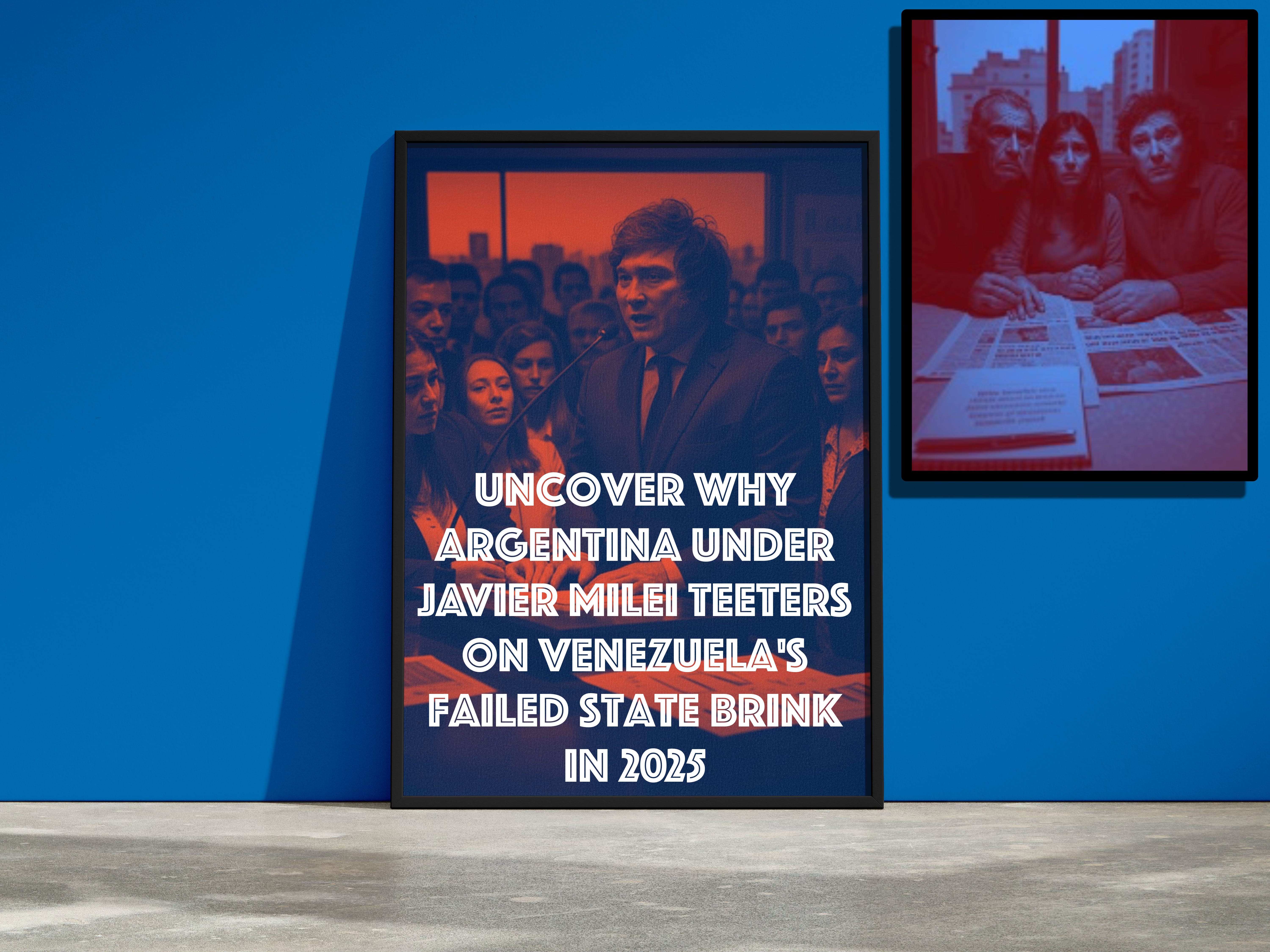
The Grim Reality: Argentina’s Economy in Freefall
Picture this: A country that was supposed to be a “beacon in the region,” as Bessent optimistically put it, is instead flickering like a candle in a hurricane. Recent months have seen Argentina’s economy grind to a halt, with job losses mounting and consumer spending evaporating. Analysts are forecasting a third-quarter contraction, and the stock market has plummeted to become the world’s worst performer in 2025.
The peso?
It’s taken a nosedive, dropping 3.1% against the dollar in a single day despite the Central Bank’s frantic injections of $450 million— the third such intervention in a row.
Investors are fleeing, selling off Argentine assets en masse, and the country’s risk index is now the second-highest in Latin America, trailing only— you guessed it— Venezuela.
This isn’t some abstract economic theory; it’s hitting real people hard. Poverty rates, which briefly dipped in late 2024, have surged back up, with critics pointing to Milei’s policies as the culprit for exacerbating inequality. His “shock therapy” approach— slashing government spending, laying off tens of thousands of public workers, and deregulating at breakneck speed— has delivered short-term wins like taming hyperinflation from over 211% to more manageable levels.
But at what cost?
The pain is disproportionate, with regressive taxes favoring big capital while squeezing the majority, pensioners left in the lurch, and a burgeoning crisis in the streets where impoverished families grapple with empty homes and rising desperation. It’s as if Milei read the austerity playbook but skipped the chapter on sustainable recovery.
And here’s where the Venezuelan parallel becomes chillingly apt. Venezuela’s descent into failed-state status started with economic mismanagement, hyperinflation, and a reliance on external bailouts that never quite materialized into stability.
Argentina, under Milei, is mirroring this trajectory: a heavier hand on the economy leading to contractions, market gyrations, and now begging for a $20 billion US swap line that’s being dressed up as “support” rather than the bailout it truly is.
Bessent’s denial that the US is “putting money” into Argentina rings hollow amid Democratic criticisms that this is taxpayer-funded favoritism for Trump’s ideological ally. If this lifeline fails to spark genuine growth, we’re looking at a recipe for cartel incursions, mass migration, and regional instability— just like Venezuela, where failed economic models have forced the US to “track down and blow up cartel boats,” as Bessent himself warned.
Milei’s Culpability: A President Out of Touch
Now, let’s address the elephant— or should I say, the chainsaw-wielding libertarian— in the room: Javier Milei is extremely responsible for this dire straits. His “fantastic job,” as Bessent praised, has proven to be a fantastic illusion. Milei’s defeat in the Buenos Aires provincial elections last month was a wake-up call, yet he’s doubled down on fiscal austerity ahead of the October 26 congressional midterms, which are make-or-break for his agenda. Markets plunged nearly 6% post-loss, signaling investor jitters over his ability to govern effectively. Critics, including Argentina’s bishops and economists like Thomas Piketty, have lambasted his policies for ignoring the vulnerable, creating a regressive system that widens the wealth gap, and using exchange rates as a crutch rather than building resilient foundations.
In my opinion, Milei’s innovative flair— think bold deregulation and surplus budgets— is undermined by a lack of balance.
He’s innovative, sure, but innovation without empathy is just disruption for disruption’s sake.
By prioritizing disinflation and electoral wins over holistic recovery, he’s risking the very failed state Bessent fears.
It’s like prescribing a starvation diet to cure obesity; short-term weight loss, long-term organ failure.
And with Milei set to meet Trump at the White House on October 14, amid talks with Economy Minister Luis Caputo in Washington, this coziness with US power brokers smells more like dependency than partnership— a slippery slope toward Venezuelan-level isolation if domestic unrest boils over.
Charting a Path Forward: Solutions Amid the Storm
But enough doom-scrolling— let’s get proactive and solution-oriented, as that’s where real progress lies. Argentina doesn’t have to become the next Venezuela; with smarter leadership, it can pivot.
First, Milei should ease up on the chainsaw and integrate targeted social safety nets— think conditional cash transfers modeled on successful programs in Brazil, funded by progressive taxation on the ultra-wealthy to offset regressive burdens.
Second, diversify the economy beyond austerity: Invest in green energy and tech exports, leveraging Argentina’s natural resources innovatively to create jobs without inflating deficits.
Third, foster regional alliances— Bolivia, Ecuador, Colombia— not as followers of Milei’s path, but as partners in balanced reforms, countering Bessent’s vision of US dominance.
Imagine an Argentina that thinks outside the box:
A hybrid model blending Milei’s deregulation with inclusive growth strategies.
It’s doable, and it starts with holding leaders accountable.
What do you think, readers?
Is Milei salvageable, or time for a course correction?
Drop your thoughts— let’s dialogue this out and motivate change together.
Stay vigilant and innovative,
TangoTech, Montevideo (Uruguay) & Buenos Aires (Argentina)
Argentina’s Economic House of Cards: Milei’s Incompetence Echoes a Century of Reckless Governance on the Río de la Plata
Folks, let’s cut through the hype and face the stark reality staring us in the face.
Since the second quarter of 2024, President Javier Milei’s so-called “shock therapy” has been barreling Argentina straight toward its 11th sovereign default in a century—a grim milestone that no amount of libertarian cheerleading can gloss over.
This isn’t bold innovation; it’s a textbook case of incompetence wrapped in ideological fervor, where international loans are squandered, reserves are hemorrhaged, and the nation’s future is pawned off like yesterday’s bad bet.
And shockingly, while red flags waved wildly, social media platforms like LinkedIn and X turned Milei into a messianic figure, ignoring the impending crash.
Recall the IMF’s $20 billion lifeline in April 2025: a 48-month Extended Fund Facility meant to enforce fiscal discipline and restructuring. From day one, Milei’s administration flouted those conditions, opting instead to prop up an artificially overvalued peso and peddle the delusion of Argentina reclaiming its spot among the world’s wealthiest nations.
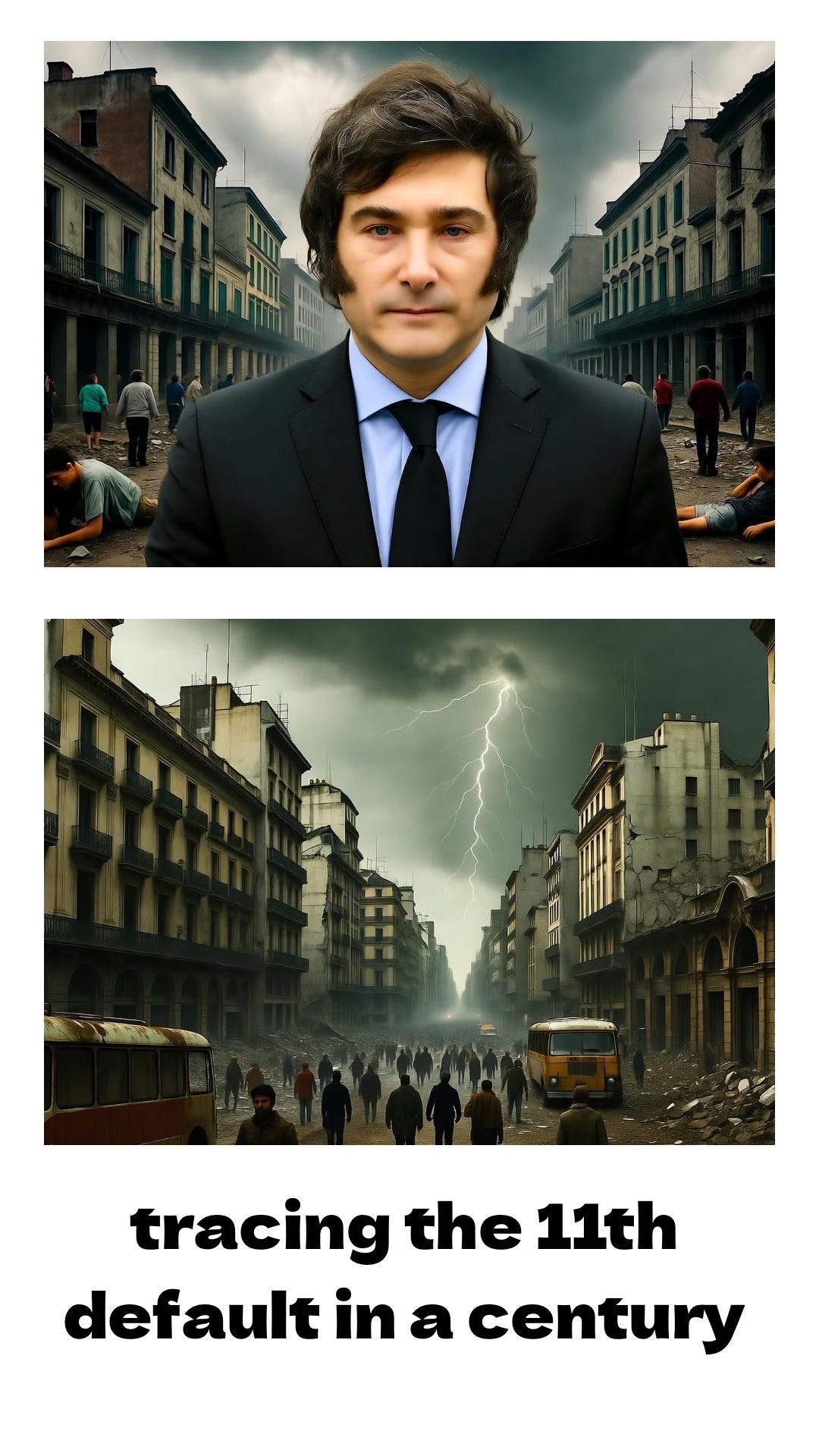
The result?
No genuine reforms, just a facade of stability that masked deepening vulnerabilities.
When a delegation arrived in Buenos Aires to assess progress, the government didn’t present a roadmap to recovery—it issued an ultimatum: massive debt repayment extensions or another bailout infusion. This isn’t negotiation; it’s desperation born of utter mismanagement.
Compounding the folly, in the first half of 2025, the government stealthily shipped most of its gold reserves abroad, refusing to disclose the destination— a move that screams pre-default maneuvering and has been met with deafening silence from global markets.
Why the secrecy?
Analysts whisper of hedge funds circling like vultures, ready to seize assets in ongoing litigations. Meanwhile, the Central Bank—still a presidential plaything rather than an independent guardian of stability—has been dumping USD reserves daily to defend the peso, leaving vaults perilously low at around $700 million in liquid dollars as of early October.
With total international reserves hovering but net positions in the red, this is a ticking time bomb.
Milei’s team bears the brunt of this incompetence: treating IMF funds as a slush fund for currency illusions rather than structural fixes, alienating allies with opaque dealings, and prioritizing short-term optics over sustainable growth. The peso’s freefall, soaring corporate defaults—the worst since 2020—and exploding poverty rates are direct indictments of policies that slashed social programs without building a safety net.
Yet, this isn’t isolated folly; it’s woven into Argentina’s tragic tradition along the Río de la Plata. From Perón’s populism to the military juntas’ debt binges and repeated IMF entanglements, generations of leaders have repeated the cycle:
Borrow big, reform little, default often.
Milei merely updates the script with anarcho-capitalist flair, but the ending remains the same—national bankruptcy.
We can’t afford willful blindness anymore. The international community, including recent U.S. bailout whispers under Trump, must demand transparency and accountability before pouring good money after bad. Argentinians deserve better: true independence for the Central Bank, diversified reserves beyond gold gimmicks, and reforms that prioritize people over ideology.
Investors, wake up—celebrate substance, not saints. And to the global chorus on X and LinkedIn: stop the hagiography; demand solutions that break the cycle.
Argentina’s resilience is legendary; let’s channel it toward real prosperity, not another default debacle. What say you—time for a genuine reset?
Economic Turmoil in Argentina
The Currency Crisis Unfolds
The Argentine economy is in the throes of a currency crisis that threatens President Javier Milei’s government. A striking example can be seen across the Andes in Santiago, Chile. Hotel security guard Carolyn Perez recently witnessed two Argentine couples loading a TV, another TV, and a large refrigerator into their car before driving off, leaving her “shocked.”
This scene is replicated monthly as hundreds of thousands of Argentines shop abroad, depleting vital hard currency reserves.
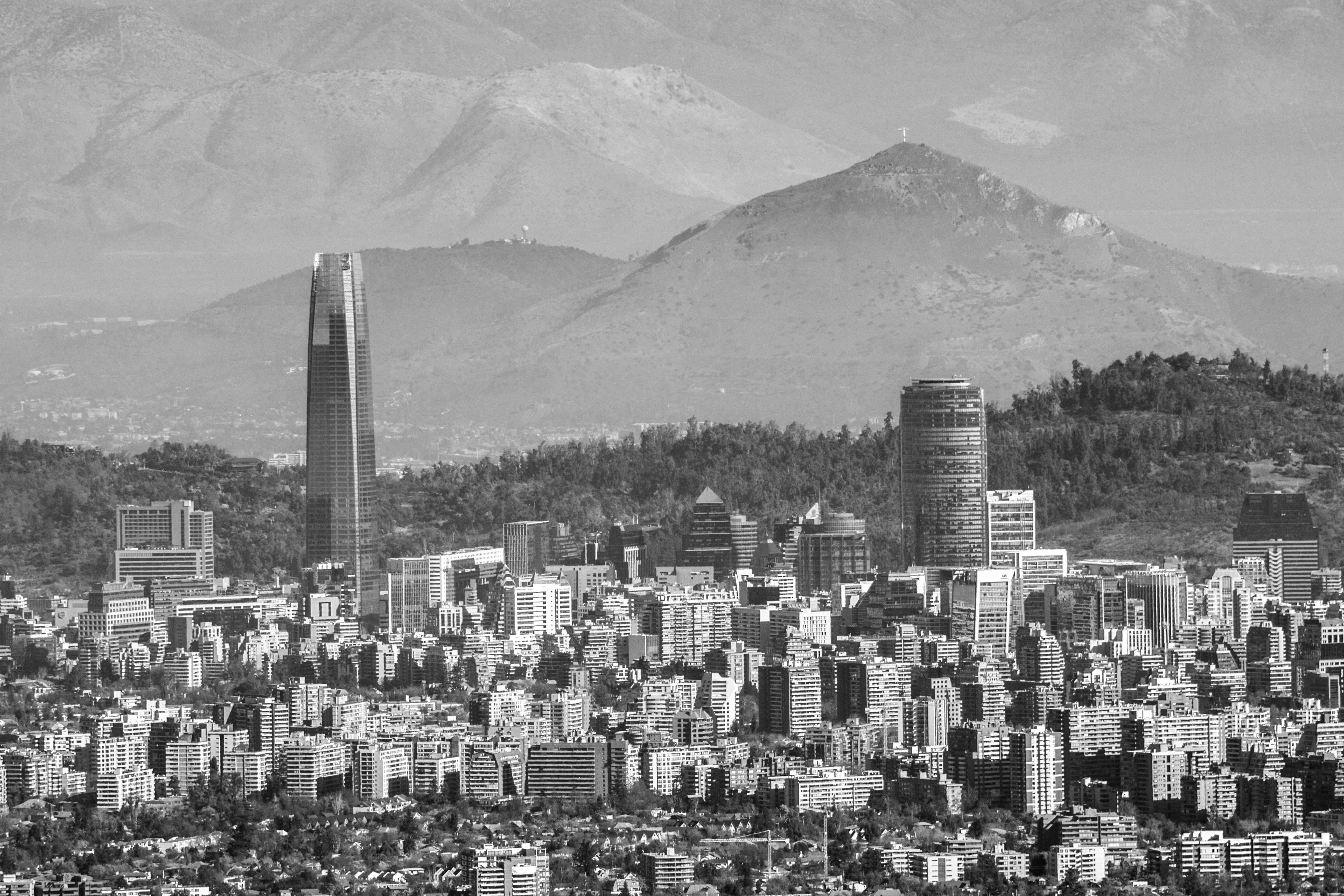
Shopping Spree Across Borders
Argentines are flocking to Rio de Janeiro, Miami, and Punta del Este, but Santiago is the epicenter. Border crossings show a 50% increase in Argentine cars this year over last, and over 150% since 2023, surpassing all other nationalities combined.
Spending with Argentine bank cards in Chile has skyrocketed by 438%, according to Transbank data.
Malls like Parque Arauco and Costanera Center resonate with Argentine Spanish, their lots filled with blue and white license plates, as shoppers buy Jordan sneakers, Zara jeans, and Lenovo laptops.
The Policy Paradox
Milei’s strategy to stabilize the peso against the dollar aimed to curb inflation and restore stability. However, this has overvalued the peso by 20-30% against the dollar, per Andrés Abadia of Pantheon Macroeconomics. Lower Chilean tariffs—nearly 30 points less on clothing—drive daily border shopping, undermining reserves and triggering a currency run Milei calls “panic.”
Political Pressure Mounts
Investor confidence wavers as political support erodes. The resignation of LLA deputy José Luis Espert from the Budget and Finance Committee, amid ties to arrested businessman Federico Fred Machado, highlights growing instability ahead of the 2026 budget debates.
TangoTech, Montevideo (Uruguay) & Buenos Aires (Argentina)
Meet “TangoTech”, team member of the dynamic duo behind the innovative crypto currency project for Argentina: CryptoARGVault.
“TangoTech“ is a visionary young entrepreneur from Cordoba, Argentina. Her career in finance and economics laid the foundation for her deep understanding of the unique challenges faced by the Argentine economy. TangoTech believes in the potential of blockchain to reshape financial landscapes and empower individuals. Her interest in crypto stems from a desire to create inclusive financial solutions that can transcend geographical boundaries and traditional financial barriers. TangoTech is passionate about community engagement and user experience design. She thrives on building bridges between technology and real-world applications. In her free time, TangoTech is an enthusiastic sustainable whine growing professional and loves exploring Argentina’s rich cultural heritage.