
CONTENT AUGUST 2025
Brazil Accelerates EV Tariff Hike, Grants BYD Temporary Exemption
Update on Argentina - Argentina’s Economic Pulse: Challenges Amidst Growth
Exciting News from Brazil’s Auto Industry: Caoa Partners with Changan to Bring the Avatr 11 SUV to Life!
Brazilian Central Bank Cracks Down on Fintech Naming Conventions
The Harsh Reality of Trump’s Tariffs: Brazil’s Agricultural Sector Faces a Reckoning
US-Mexico Tariff Delay: A Mixed Bag for Trade and Strategic Interests
Driving the Future: BYD, Tupi Mobilidade, and EZVolt Launch Brazil’s Largest EV Charging Network
Ups & Downs
Prime Story

Brazil Accelerates EV Tariff Hike, Grants BYD Temporary Exemption
São Paulo, August 4, 2025 – Brazil’s electric vehicle (EV) market is undergoing a significant shift as the government fast-tracks its import tariff policy while offering a temporary reprieve to Chinese automaker BYD. This development signals Brazil’s balancing act between fostering local production and accommodating the growing presence of global EV giants.

Tariff Timeline Moved Up: 35% by January 2027
In a bold move, Brazil’s Executive Management Committee of the Foreign Trade Chamber (Gecex-Camex) has decided to accelerate the import tariff increase for disassembled electric and hybrid vehicles, known as Completely Knocked Down (CKD) and Semi-Knocked Down (SKD) kits. Originally set to reach 35% in July 2028, the tariff will now hit this ceiling in January 2027—a year and a half earlier than planned. Fully assembled EVs, however, remain on track to face the same 35% tariff by July 2026.
This decision reflects Brazil’s push to bolster its domestic automotive industry, a key contributor to the nation’s industrial GDP. With the car sector accounting for roughly 20% of industrial output, the government aims to incentivize local manufacturing and job creation while reducing reliance on imported high-tech goods. The tariff hike is part of a broader strategy to strengthen Brazil’s electromobility supply chain, aligning with President Luiz Inácio Lula da Silva’s vision of re-industrialization and economic diversification.
BYD Secures a Temporary Exemption
Amidst this policy shift, BYD, the world’s leading EV manufacturer, has successfully negotiated a temporary exemption to ease its transition. The Chinese automaker, which has seen explosive growth in Brazil with a 327% sales surge between 2023 and 2024, will benefit from a six-month tariff-free import quota worth $463 million for CKD and SKD components, effective through the first half of 2026. This compromise comes after intense lobbying from established carmakers like Toyota, Volkswagen, General Motors, and Stellantis, who argued that extending BYD’s tax breaks could jeopardize up to 50,000 jobs and their own investments in Brazil’s automotive sector.
BYD’s exemption is a strategic win, allowing the company to maintain competitive pricing while ramping up its local production. The automaker has already begun assembling vehicles at its new Camaçari plant in Bahia, the first EV factory outside Asia, with a capacity of 150,000 vehicles annually. Models like the all-electric Dolphin Mini and plug-in hybrids Song Pro and Chaser 05 are rolling off the line, positioning BYD to meet Brazil’s growing appetite for EVs.
Why the Push for Tariffs?
Brazil’s EV market has exploded, with sales of electrified vehicles jumping 145% in Q1 2024 compared to the previous year, largely driven by Chinese brands like BYD and Great Wall Motor (GWM).
Chinese EVs now account for nearly 90% of Brazil’s electromobility fleet. However, this dominance has sparked concerns among domestic manufacturers and labor groups, who see the flood of low-cost imports as a threat to local industry.
The government’s tariff strategy aims to level the playing field. By increasing duties, Brazil hopes to pressure foreign automakers to invest in local production, creating jobs and fostering technological innovation.
“The objective is to stimulate local production and promote a gradual nationalization of the supply chain,” says Edgar Barassa, a researcher at the University of Campinas.
This approach mirrors global trends, with countries like the EU and US imposing hefty tariffs on Chinese EVs to protect their markets.
BYD’s Bold Response and Market Impact
BYD hasn’t taken the tariff push lying down. The company’s Brazilian vice president, Alexandre Baldy, called out competitors as “dinosaurs” facing a “meteor” of innovation, emphasizing BYD’s cost advantage and advanced technology. With its entry-level models priced as low as 115,800 reais (US$ 19,100), BYD has disrupted Brazil’s market, undercutting traditional gas-powered vehicles and capturing 47% of EV sales in 2024.

However, challenges loom. Brazilian ports are reportedly clogged with 70,000 unsold Chinese EVs, a sign of cooling demand as tariffs rise and charging infrastructure lags. The country’s vast geography and limited charging stations have also raised concerns about EV range, potentially slowing adoption. Despite these hurdles, BYD’s investment in local production and partnerships, like its collaboration with Raizen to build 600 charging stations across eight cities, signals a long-term commitment to Brazil.
What’s Next for Brazil’s EV Market?
The tariff acceleration and BYD’s exemption highlight Brazil’s complex dance between embracing clean energy and protecting its industrial base.
With EVs projected to reach nearly 1 million units by 2030, Brazil remains Latin America’s largest EV market.
The government’s MoVer program, which replaces Rota 2030, further sweetens the deal for automakers investing in energy-efficient technologies, offering tax incentives to those who deepen local production.
For BYD, the temporary exemption buys time to scale its Brazilian operations, but the clock is ticking. As the January 2027 tariff deadline approaches, the company will need to balance cost competitiveness with local manufacturing demands. Meanwhile, traditional automakers are stepping up, with Volkswagen, Toyota, and others pledging over 100 billion reais ($20 billion) to develop hybrid models, signaling a fierce race for Brazil’s green future.
Stay Charged, Stay Informed!
Brazil’s EV landscape is evolving at lightning speed, and we’re here to keep you in the driver’s seat. What do you think about the tariff changes and BYD’s exemption? Will local production spark a new era of innovation, or are trade barriers dimming the EV revolution’s shine? Drop us a line and let’s keep the conversation rolling!—F.P.N.
Subscribe to our GreyRhino Newsletter for more updates on Brazil’s electrifying journey toward a sustainable future!


The LatAm Stories
Update on Argentina - Argentina’s Economic Pulse: Challenges Amidst Growth

Javier Milei’s presidency in Argentina has been marked by significant economic and social upheaval. While his austerity measures have notably reduced inflation, the broader impact on the population’s purchasing power and public services paints a more troubling picture.
Welcome to this month’s economic update, where we dive into the latest developments shaping Argentina’s financial landscape. May brought a mix of hurdles and resilience that’s worth unpacking!
A Slight Stumble in May
Argentina’s economy hit a speed bump in May, contracting by 0.1% compared to April, marking its third contraction this year.
This dip fell short of economists’ expectations, who had forecasted a modest growth of the same magnitude.
To add a twist, April’s initially positive figures were revised slightly downward, painting a more cautious picture. Despite this, the economy showed a robust 5% expansion year-over-year, according to government data (…) released recently. Talk about a rollercoaster!

Consumer Spending Under Pressure
What’s behind this slowdown? The answer lies in the consumer sector, which is feeling the pinch. Wages, when adjusted for inflation, slipped into negative territory earlier this year, squeezing household budgets. Rising unemployment, hitting a near four-year high in the first quarter, has only added to the strain. It’s no surprise that consumer spending has taken a hit, creating a fragile outlook despite some bright spots elsewhere.
Bright Spots in Agriculture and Oil
Not all is gloomy! Argentina’s agriculture sector is thriving, with a bumper harvest fueling exports and giving the economy a much-needed boost. The oil fields are also striking it rich, contributing to sharp growth. These sectors are like the star players carrying the team, but the broader consumer challenges are keeping the scoreboard tight.
Economists Adjust Expectations
Looking ahead, economists are tempering their optimism. The Central Bank’s latest survey shows that growth forecasts for 2025 have been trimmed to 5%, a step back from earlier, more bullish predictions. It’s a sign that analysts are keeping a close eye on the evolving challenges, from wage pressures to unemployment.
Political Winds Shift
On the political front, President Javier Milei’s approval ratings are facing headwinds. A recent survey indicates that disapproval has climbed to 57%, reflecting growing public concern. As economic challenges persist, public sentiment will likely remain a critical factor to watch.
Inflation and Purchasing Power
Milei has succeeded in taming runaway inflation, bringing monthly inflation rates down from over 25% in late 2023 to around 3.9% by mid-2025. However, despite this impressive headline figure, the real economic conditions for many Argentines have not improved. Household disposable income actually fell by 1.3% in the first quarter of 2025 compared to the end of 2024, and wages have remained stagnant, failing to keep pace with the cost of living. This means that while prices may be rising more slowly, people’s ability to buy goods and services continues to erode, particularly for essentials and mass consumption items. The inflation slowdown has not translated into widespread relief for the average consumer, with many still struggling to afford basic necessities.

Healthcare Cuts and Public Health Crisis
A major and deeply controversial aspect of Milei’s policy has been his drastic cuts to the public healthcare system. Since taking office in December 2023, he has slashed the healthcare budget by 48% in real terms and fired thousands of health ministry employees. This austerity “chainsaw” approach has led to the dismantling of critical health programs:
The National Cancer Institute has been gutted, halting early detection programs for breast and cervical cancer.
Federal funding for vaccination campaigns has been frozen, contributing to a measles outbreak unseen in decades.
The National Directorate for HIV, Hepatitis, and Tuberculosis was disbanded, causing delays in testing and treatment.
Emergency contraception funding was withdrawn, and abortion pill distribution stopped.
Price controls on drugs and private health plans were lifted, causing medication prices to spike dramatically.
These cuts have had severe consequences: cancer patients report worsening health outcomes, HIV patients face treatment interruptions, and hospitals are struggling with resource shortages. Health workers have protested, warning that these policies endanger lives and undermine decades of public health progress. The austerity measures have also led to salary freezes and deteriorating working conditions, pushing many healthcare professionals to leave the system.

Gun Policy Changes
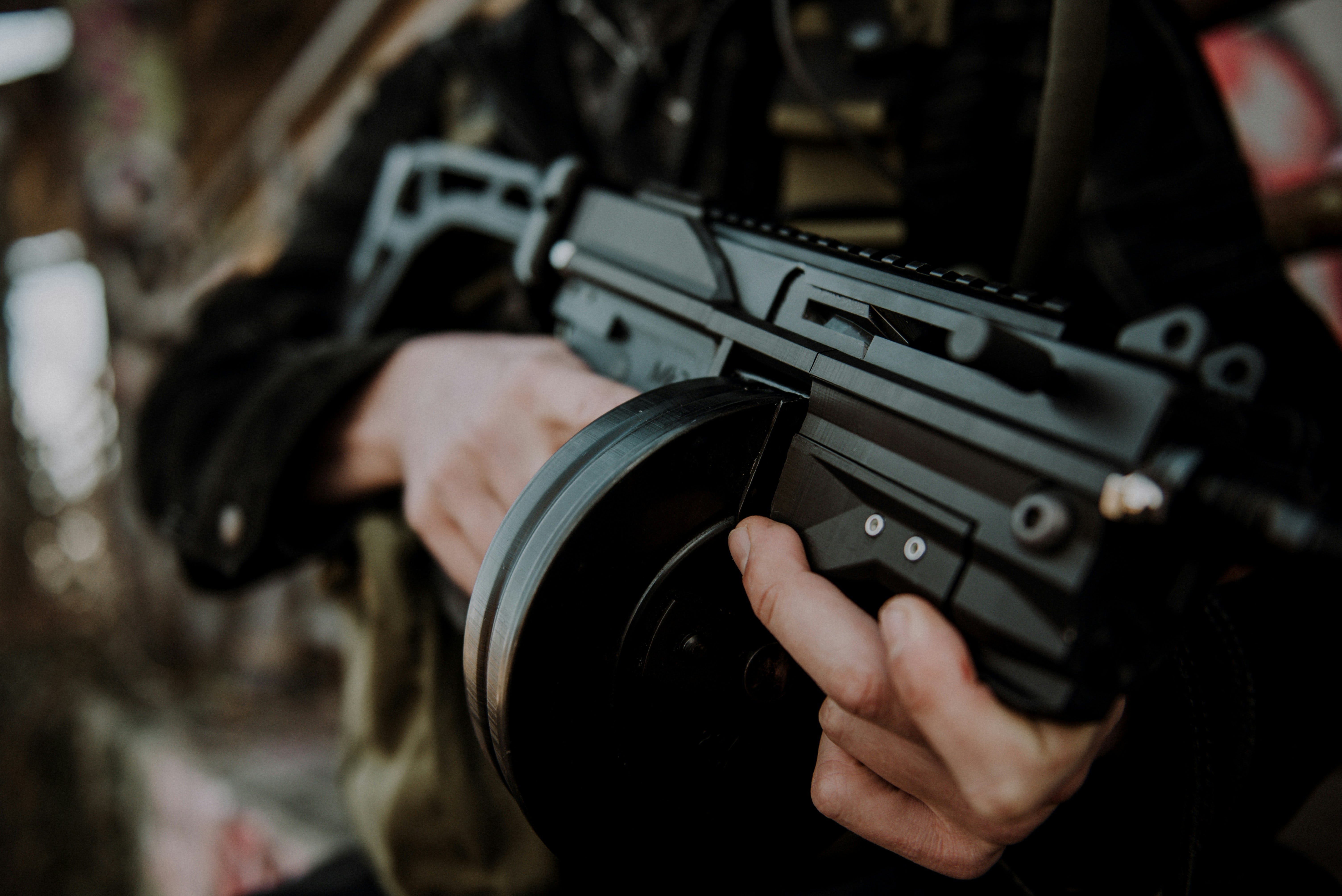
In addition to economic and health policy shifts, Milei has reversed a longstanding firearms restriction by authorizing civilians to purchase semi-automatic and assault-style weapons via presidential decree. This move marks a significant policy reversal from restrictions in place since 1995 and aligns with Milei’s broader libertarian and deregulatory agenda.
Political and Social Implications
Milei’s economic strategy, centered on austerity and inflation control, faces the challenge of maintaining popular support amid declining living standards and public service deterioration. Nearly 40% of Argentines live in poverty, and many express dissatisfaction with the slow improvements in their economic situation. The erosion of purchasing power and the healthcare crisis could weaken Milei’s appeal as he approaches legislative elections, where his austerity program’s social costs may become a decisive factor.
What’s Next?
Argentina’s economy is at a crossroads—powered by agricultural and oil-driven growth but challenged by consumer setbacks and rising unemployment. The road ahead calls for innovative policies to stabilize wages and boost confidence. Let’s stay optimistic and proactive, as Argentina has the potential to turn these challenges into opportunities!
In summary, while Milei’s advances against inflation are notable, the simultaneous erosion of purchasing power and severe cuts to public healthcare have created a precarious situation for many Argentines. The government’s austerity measures have led to a public health crisis and growing social discontent, potentially undermining Milei’s inflation strategy as an electoral asset. His policy of loosening gun restrictions further underscores the radical shift in Argentina’s governance under his leadership.—iMB.Solutions ARG Team


From the Newsroom of Industry
Exciting News from Brazil’s Auto Industry: Caoa Partners with Changan to Bring the Avatr 11 SUV to Life!
Get ready, Brazil, because the automotive landscape is about to get a high-voltage upgrade! After parting ways with Hyundai, the Brazilian automotive giant Caoa is charging full speed ahead with a new partnership that’s set to electrify the market. Teaming up with Chinese powerhouse Changan, Caoa is gearing up to produce the futuristic Avatr 11 SUV, a premium electric vehicle that’s poised to redefine luxury and performance in Brazil.

A New Chapter for Caoa and Changan
Caoa, a veteran in Brazil’s automotive scene with a stellar track record of launching brands like Renault, Subaru, and Hyundai, is no stranger to shaking things up. After ending its long-standing relationship with Hyundai, Caoa is now embracing Changan, a Chinese automaker with a rich history and a bold vision for the future. Changan isn’t new to Brazil—it made waves between 2006 and 2016 under the name Chana Motors—but this time, it’s returning with a premium twist, focusing on high-tech electrified vehicles.
The star of this partnership? The Avatr 11, a sleek, powerful, and tech-laden electric SUV that’s ready to take on the premium segment. With production slated to kick off at Caoa’s state-of-the-art factory in Anápolis, Goiás, this move marks a significant step toward localizing cutting-edge electric vehicle technology in Brazil.
The Avatr 11: A Glimpse into the Future
The Avatr 11 isn’t just another SUV—it’s a statement. Born from a powerhouse collaboration between Changan, battery giant CATL, and tech titan Huawei, this luxury electric SUV is packed with innovation. Picture this: a futuristic coupe-style design, a whopping 586 horsepower from dual electric motors, and an jaw-dropping range of up to 1,065 km in its Extended Range Electric Vehicle (EREV) version. Yes, you read that right—this SUV can go the distance, making range anxiety a thing of the past
Inside, the Avatr 11 is a tech lover’s dream. It boasts three high-resolution screens, including a 15.6-inch infotainment display, and a suite of advanced driver-assistance systems powered by Huawei’s cutting-edge technology. With 34 sensors, including three LiDAR units, the Avatr 11 offers semi-autonomous driving capabilities, ensuring safety and convenience on every journey. Its premium interior, complete with a voice-activated illuminated turbine element, screams “luxury futurista”
Why This Partnership Matters
Caoa’s decision to produce the Avatr 11 locally in Anápolis is a masterstroke. The factory, already a hub for Caoa Chery models like the Tiggo 7 and 8, has seen a R$3 billion investment in modernization since 2024, boosting its capacity to produce up to 50,000 vehicles annually. By manufacturing the Avatr 11 in Brazil, Caoa can leverage local production to sidestep hefty import taxes, potentially making this high-end SUV more accessible to Brazilian consumers. Plus, with plans to utilize 70% local components, this move is set to create jobs and stimulate the economy in Goiás.
Changan’s return to Brazil through the Avatr brand is strategic. Unlike its earlier stint with commercial vehicles, this time it’s all about premium electrified models. The Avatr 11 will compete head-on with heavyweights like the BYD Seal, Zeekr 001, and even European rivals like the Audi Q4 e-tron and Volvo EX40. With an estimated price range of R$440,000 to R$680,000, it’s positioned as a premium offering, but its unmatched range and tech could justify the investment for discerning buyers.
A Bright Future for Electric Mobility in Brazil
The timing couldn’t be better. Brazil’s electric vehicle market is booming, with a 40% increase in charging stations in 2024 alone. Caoa is doubling down on this trend, planning to install 50 fast-charging stations (150 kW) in 2025 through partnerships with Raízen and Shell, ensuring Avatr 11 owners can charge up quickly—80% in just 20 minutes! While the national charging network is still growing, especially outside urban centers, this initiative signals a commitment to making electric mobility practical and widespread.
But the Avatr 11 is just the beginning. Caoa and Changan have big plans, with models like the Avatr 06 sedan, Avatr 07 SUV, and Avatr 12 coupe sedan potentially joining the lineup by 2027. With a dedicated network of concessionaires in high-income regions like São Paulo and Rio de Janeiro, Caoa is poised to make Avatr a household name in Brazil’s luxury EV market.
Revving Up for August 2025
Mark your calendars—August 2025 is when the Avatr 11 officially hits Brazilian roads. Pre-sales are set to begin in July, with exclusive discounts and test-drive events planned in São Paulo and Brasília. Caoa’s aggressive marketing, including Instagram campaigns and influencer partnerships, will highlight the SUV’s standout features: unparalleled range, blistering performance, and Huawei-powered tech.
This partnership between Caoa and Changan is more than just a business deal—it’s a bold leap into the future of mobility. The Avatr 11 is ready to turn heads, spark conversations, and maybe even inspire a few “wow” moments on the streets of Brazil. So, are you ready to embrace the electric revolution? Stay tuned, because the future is arriving, and it’s looking shockingly good!—F.P.N.
Brazilian Central Bank Cracks Down on Fintech Naming Conventions
Dear Readers,
prepare yourself for some financial drama straight from Brazil! The Brazilian Central Bank is putting its foot down, and it’s aiming squarely at fintech companies that dare to use the words “banco” or “bank” in their names. Why, you ask? Well, it’s not just a linguistic power trip—there’s a method to this regulatory madness. Let’s dive into the details and unpack why this move is shaking up the fintech world.

The Reasoning Behind the Ban
The Central Bank’s decision is rooted in a desire to protect consumers and maintain clarity in the financial ecosystem. Traditional banks in Brazil are subject to a gauntlet of strict regulations—think capital requirements, liquidity ratios, and rigorous oversight that would make even the most seasoned CFO sweat. These rules ensure that institutions calling themselves “banks” can withstand financial storms and safeguard your hard-earned cash.
Fintech companies, on the other hand, often operate in a lighter regulatory lane. Most act as intermediaries, facilitating transactions, offering payment solutions, or providing snazzy apps to manage your money. They’re the cool, tech-savvy cousins of traditional banks, but they don’t always have the same financial muscle or regulatory baggage. By barring fintechs from using “banco” or “bank,” the Central Bank aims to prevent confusion among consumers who might assume these companies offer the same level of security and oversight as fully licensed banks. It’s like making sure a food truck doesn’t call itself a Michelin-starred restaurant—different beasts, different expectations!
Why It Matters
This naming crackdown isn’t just about semantics; it’s about trust and transparency. When a company slaps “bank” on its logo, it’s signaling a level of stability and credibility that may not be backed by reality. For example, a fintech might excel at streamlining payments but lack the reserves to guarantee deposits during a crisis. The Central Bank wants to ensure that when you see “bank” in a name, you’re dealing with an institution that’s been stress-tested to the max.
Moreover, this move levels the playing field. Traditional banks have long grumbled about fintechs enjoying regulatory leniency while competing for the same customers. By enforcing this naming rule, the Central Bank is drawing a clear line:
If you want to call yourself a bank, you’d better be ready to play by the big boys’ rules.
What’s Next for Fintechs?
For fintechs, this is a wake-up call to get creative with branding. No more piggybacking on the prestige of the word “bank”—it’s time to craft identities that scream innovation without misleading customers. Expect to see a wave of rebranding, with fintechs leaning into terms like “pay,” “wallet,” or “finance” to stay compliant while keeping their cool factor intact.
This also opens the door for fintechs to double down on what makes them special: agility, user-friendly tech, and niche services. Instead of pretending to be banks, they can focus on outshining them in customer experience. And who knows? Maybe this push will inspire some fintechs to step up, meet the regulatory requirements, and become full-fledged banks themselves. Stranger things have happened!
The Bigger Picture
The Brazilian Central Bank’s decision is a bold step toward clarity in a rapidly evolving financial landscape. It’s a reminder that with great power (or branding) comes great responsibility. As fintechs continue to disrupt the industry, regulations like this ensure that innovation doesn’t come at the cost of consumer trust.
So, what’s the takeaway? If you’re a fintech founder dreaming of the word “bank” in your company name, it’s time to pivot. Get creative, stay compliant, and keep pushing the boundaries of what financial services can be. And for consumers, this is a nudge to look beyond the name and dig into what a company actually offers. Your money deserves nothing less!—A.D.S.
The Harsh Reality of Trump’s Tariffs: Brazil’s Agricultural Sector Faces a Reckoning
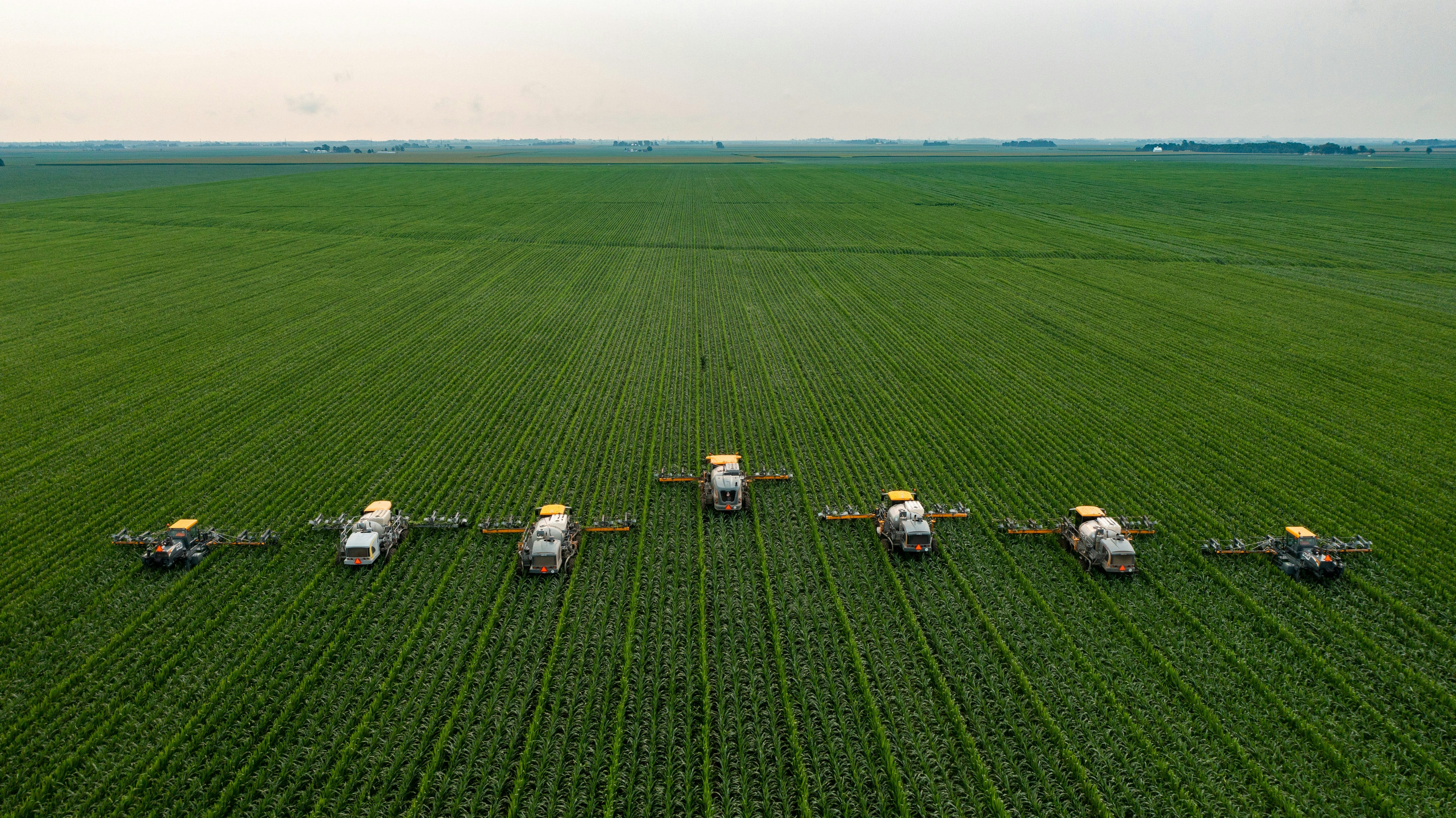
Back in our autum newsletter, we raised an eyebrow at the Brazilian industrial sector’s bold confidence in dodging President Donald Trump’s tariff threats, banking on ideological alignment with his administration. We called it naive then, and now, with the confirmation of a staggering 50% tariff on 82% of Brazil’s agricultural exports to the U.S., that optimism has been dealt a brutal reality check. The agricultural powerhouse of Latin America, which supplies everything from coffee to beef to the American market, is now staring down a policy that could reshape its economic landscape—and not for the better.
A Blow to Brazil’s Agricultural Backbone
Brazil, the world’s largest exporter of coffee and a major supplier of beef, orange juice, and soybeans, has long been a key player in feeding America’s demand for agricultural goods. In 2024 alone, Brazil exported $12 billion in agricultural products to the U.S., including $2.1 billion in coffee and $1.3 billion in beef. Yet, as of August 1, 2025, 82% of these exports now face a 50% tariff, a move that threatens to choke off a critical revenue stream for Brazilian farmers and exporters. Unlike key exemptions for products like orange juice and commercial aircraft, coffee and beef—two of Brazil’s heavyweight exports—are squarely in the tariff’s crosshairs.
The impact is already being felt. Coffee exporters, who supply nearly a third of America’s daily brew, are bracing for higher costs that could ripple through U.S. grocery stores, potentially hiking prices for consumers. Beef producers, meanwhile, are projecting losses of up to $1 billion in the second half of 2025 alone, as the tariff makes their products less competitive. The Brazilian real has already slumped over 2% against the dollar following the announcement, signaling market jitters.
A Political Motive Behind the Economic Jab
What makes this tariff sting even more is its political undertone. President Trump has explicitly tied the 50% levy to Brazil’s prosecution of former President Jair Bolsonaro, a close ally, whom Trump claims is the victim of a “witch hunt.” This marks a departure from Trump’s usual justification of tariffs to correct trade deficits—ironic, given that the U.S. actually enjoys a $7.4 billion trade surplus with Brazil. By targeting Brazil’s agricultural sector, Trump appears to be wielding tariffs as a geopolitical cudgel, aiming to influence Brazil’s domestic politics while sending a message to other nations.
This isn’t the first time Trump has used tariffs to flex his influence. Earlier this year, he threatened Colombia with escalating tariffs unless it accepted U.S. deportees, a tactic that worked. But Brazil, under President Luiz Inácio Lula da Silva, isn’t backing down. Lula has vowed “reciprocity” through a new Brazilian law authorizing proportional countermeasures, and the government is exploring options, including appeals to the World Trade Organization.
The stage is set for a potential trade war that could further disrupt global markets.
The Industrial Sector’s Miscalculation
Just months ago, Brazil’s industrial sector was crowing about its supposed immunity to Trump’s trade policies, citing shared conservative values with his administration. How quickly the tide has turned. The tariff’s impact on agriculture will inevitably spill over into related industries, from processing to logistics, threatening jobs and economic stability. Companies like JBS and Marfrig, major players in the beef industry, are already sounding alarms about rising costs and shrinking margins. Meanwhile, coffee exporters, who initially saw an opportunity to outmaneuver rivals like Vietnam, now face a grim reality as their competitive edge dulls under the weight of the new levies.
The irony is palpable. Brazil’s industrial leaders underestimated the volatility of Trump’s trade strategy, assuming ideological alignment would shield them. Instead, they’ve been caught flat-footed, with the agricultural sector—often a source of national pride—bearing the brunt of this miscalculation.
What’s Next for Brazil and Beyond?
Brazilian exporters are scrambling for solutions. Some are exploring rerouting products through countries like Costa Rica to bypass tariffs, though such maneuvers may violate international trade rules. Others are looking to pivot to markets like the European Union, which already absorbs 52% of Brazil’s exports, or to deepen ties with BRICS nations. But replacing the U.S. market, the world’s largest consumer of coffee and a key buyer of Brazilian beef, won’t be easy.
For U.S. consumers, the tariffs could mean higher prices at the supermarket. With Brazil supplying 56% of America’s orange juice and a third of its coffee, even partial exemptions may not fully shield shoppers from cost increases. American companies like Coca-Cola and Pepsi, which dominate the orange juice market, are already facing legal challenges over the tariffs’ impact. The ripple effects could extend to U.S. manufacturers reliant on Brazilian semifinished goods, like steel, further complicating supply chains.
A Call to Action
This is a wake-up call for Brazil’s policymakers and business leaders. The days of banking on political goodwill are over. It’s time to diversify markets, strengthen domestic resilience, and push for multilateral trade agreements to counter unilateral moves like Trump’s. For our readers, we urge you to stay informed and vocal. Support local industries by advocating for fair trade policies, and keep an eye on how these tariffs reshape global markets. The fallout from this decision will be felt far beyond Brazil’s borders, and it’s up to us to hold leaders accountable.
Let’s keep the conversation going—share your thoughts on Substack, X, Bluesky, LinkedIn or reach out directly.—F.P.N.

Short Cuts from Industries
US-Mexico Tariff Delay: A Mixed Bag for Trade and Strategic Interests
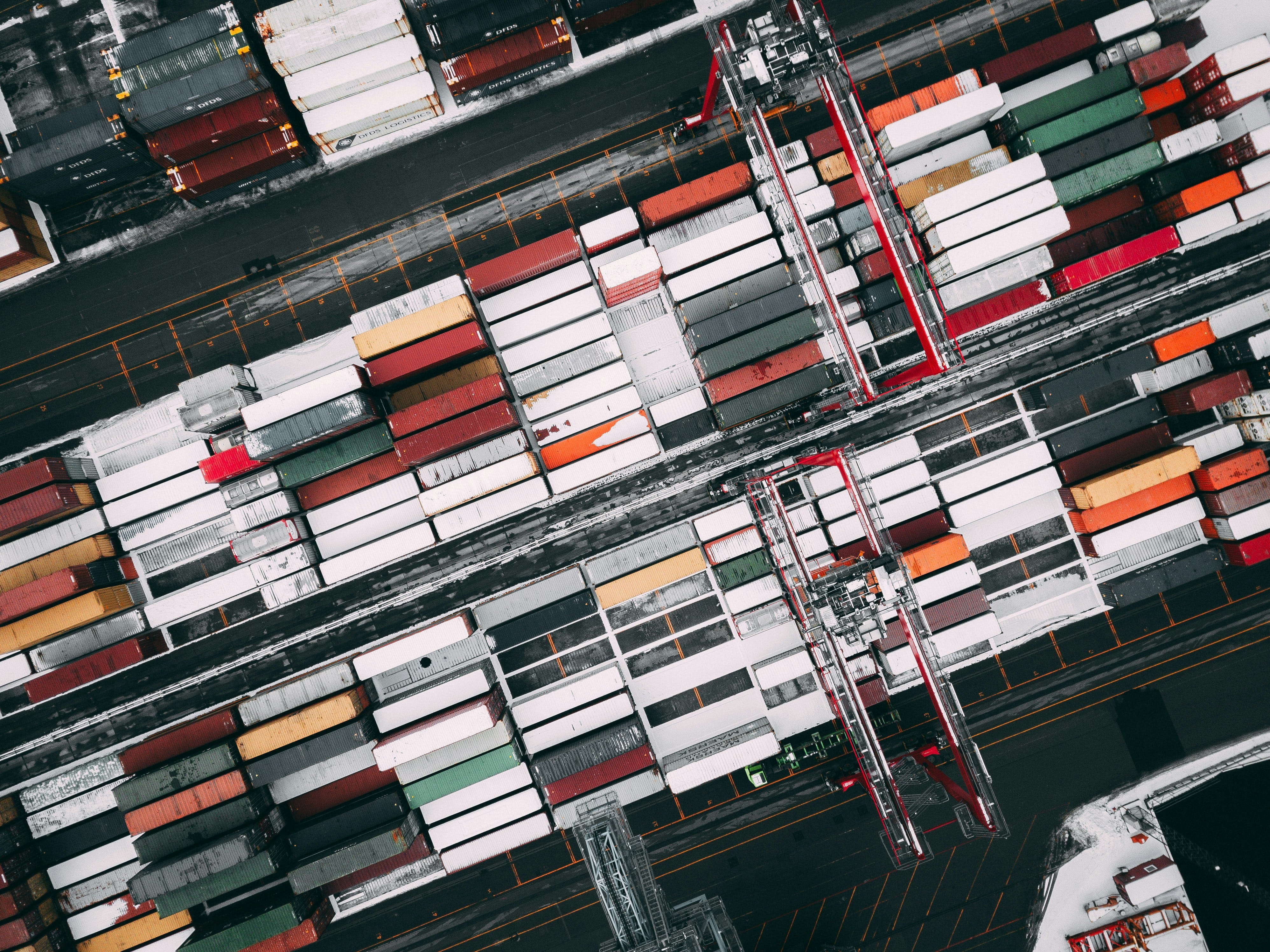
Monterry, Mexico 🇲🇽, August 4, 2025 – The United States and Mexico have agreed to a 90-day extension of their current trade deal, pausing the imposition of new tariffs on most Mexican exports. However, this reprieve does not extend to critical sectors like cars, steel, and aluminum, which will continue to face tariffs of 25% to 50%. This development, announced by President Donald Trump on July 31, 2025, following discussions with Mexican President Claudia Sheinbaum, offers temporary relief but underscores significant challenges for both nations’ strategic interests. Below, we explore the implications of this trade policy and its potential to disrupt economic stability, supply chains, and North American cooperation.
Background on the Tariff Delay
The 90-day extension maintains the existing trade framework, where Mexico faces a 25% tariff on cars, a 25% tariff on fentanyl-related concerns, and a 50% tariff on steel, aluminum, and copper. This pause aims to provide breathing room for negotiations toward a longer-term trade agreement, with Trump expressing optimism about reaching a deal within or beyond the 90-day period. Mexico has also committed to dismantling certain non-tariff trade barriers, though specifics remain unclear, raising questions about the enforceability and scope of this promise.
However, the continued tariffs on cars, steel, and aluminum—key pillars of Mexico’s export economy—are a significant sticking point. These sectors, integral to both nations’ manufacturing and supply chains, face ongoing economic pressure, with ripple effects that could undermine strategic interests across North America.
Economic Impact on the Automotive and Metal Industries
The automotive industry, a cornerstone of US-Mexico trade, is particularly vulnerable. In 2024, the US imported $49.7 billion worth of cars from Mexico, making it the largest source of US car imports. The 25% tariff on non-USMCA-compliant vehicles and critical auto parts (e.g., engines, transmissions) increases costs for manufacturers like Ford, GM, and Stellantis, who rely on cross-border supply chains. These tariffs, combined with 50% duties on steel and aluminum, exacerbate production costs, as these metals are essential for vehicle manufacturing.
For example, the US auto industry consumed vast quantities of steel and aluminum in 2024, with Mexico and Canada ranking as the third and first largest steel suppliers, respectively. The 50% tariff on these metals, effective June 4, 2025, eliminates previous exemptions and raises costs for automakers, potentially increasing new car prices by thousands of dollars. Consumers may face higher costs for vehicles and repairs, while manufacturers may scale back production, impacting jobs and economic growth.
Strategic Implications for North American Cooperation
The tariffs’ selective application threatens the spirit of the United States-Mexico-Canada Agreement (USMCA), which was designed to foster integrated supply chains and duty-free trade for compliant goods. While USMCA-compliant imports from Mexico (about 50% of exports) remain duty-free, the 25% tariff on non-compliant goods and the 50% tariff on steel and aluminum signal a shift toward protectionism. This approach risks fracturing the economic interdependence that has bolstered North American competitiveness against global rivals like China.
Mexico’s response has been measured but firm. Economy Minister Marcelo Ebrard called the tariffs a “flagrant violation” of the USMCA, arguing that Mexico’s steel trade surplus with the US (Mexico imports more steel from the US than it exports) renders the tariffs unjustified. Mexico is exploring “Plan Mexico,” a strategy to strengthen domestic industries, but retaliatory tariffs remain a possibility, which could escalate tensions and disrupt supply chains further.
Crippling Strategic Interests
Economic Disruption: The tariffs on cars, steel, and aluminum threaten to destabilize industries that employ millions across both nations. In the US, Michigan’s auto industry faces heightened uncertainty, with analysts warning of weakened global competitiveness. In Mexico, the tariffs could reduce export revenues, limit production, and deter foreign investment, undermining economic stability.
Supply Chain Fragmentation: The integrated North American supply chain, a strategic asset, is at risk. Higher costs for raw materials and auto parts could push manufacturers to relocate production outside North America, weakening the region’s manufacturing base and increasing reliance on Asian or European suppliers.
Geopolitical Tensions: The tariffs strain US-Mexico relations, a critical partnership for addressing issues like migration, drug trafficking, and regional security. Mexico’s potential retaliatory measures (e.g., tariffs on US pork, cheese, or produce) could escalate into a broader trade war, undermining trust and cooperation.
Consumer Impact: Higher tariffs translate to increased prices for US consumers, particularly for vehicles and goods reliant on steel and aluminum (e.g., canned food, appliances). Inflation, already at 2.7% in June 2025, could rise further, eroding purchasing power and consumer confidence.
A Path Forward: Innovation and Negotiation
To mitigate these challenges, both nations must prioritize strategic dialogue. The 90-day delay offers a window to negotiate a balanced trade deal that preserves USMCA benefits while addressing US concerns about trade deficits and national security. Innovative solutions, such as tariff-rate quotas for steel (allowing a certain volume to enter duty-free), could reduce costs while supporting domestic industries.
Businesses can adapt by leveraging Foreign Trade Zones, optimizing supply chains for USMCA compliance, or exploring “First Sale for Export” valuation to lower duties. Meanwhile, Mexico’s “Plan Mexico” could focus on diversifying export markets to reduce reliance on the US, though this risks long-term fragmentation of North American trade.
Final Thought
The 90-day tariff delay is a temporary reprieve, but the continued tariffs on cars, steel, and aluminum pose a significant threat to US-Mexico strategic interests. These measures risk economic disruption, supply chain fragmentation, and strained diplomatic ties, all of which undermine North America’s global competitiveness. As negotiations continue, both nations must seek solutions that balance economic protectionism with the benefits of regional cooperation. The clock is ticking—let’s hope cooler heads and creative strategies prevail.—iMB.Solutions MEX Team
Driving the Future: BYD, Tupi Mobilidade, and EZVolt Launch Brazil’s Largest EV Charging Network
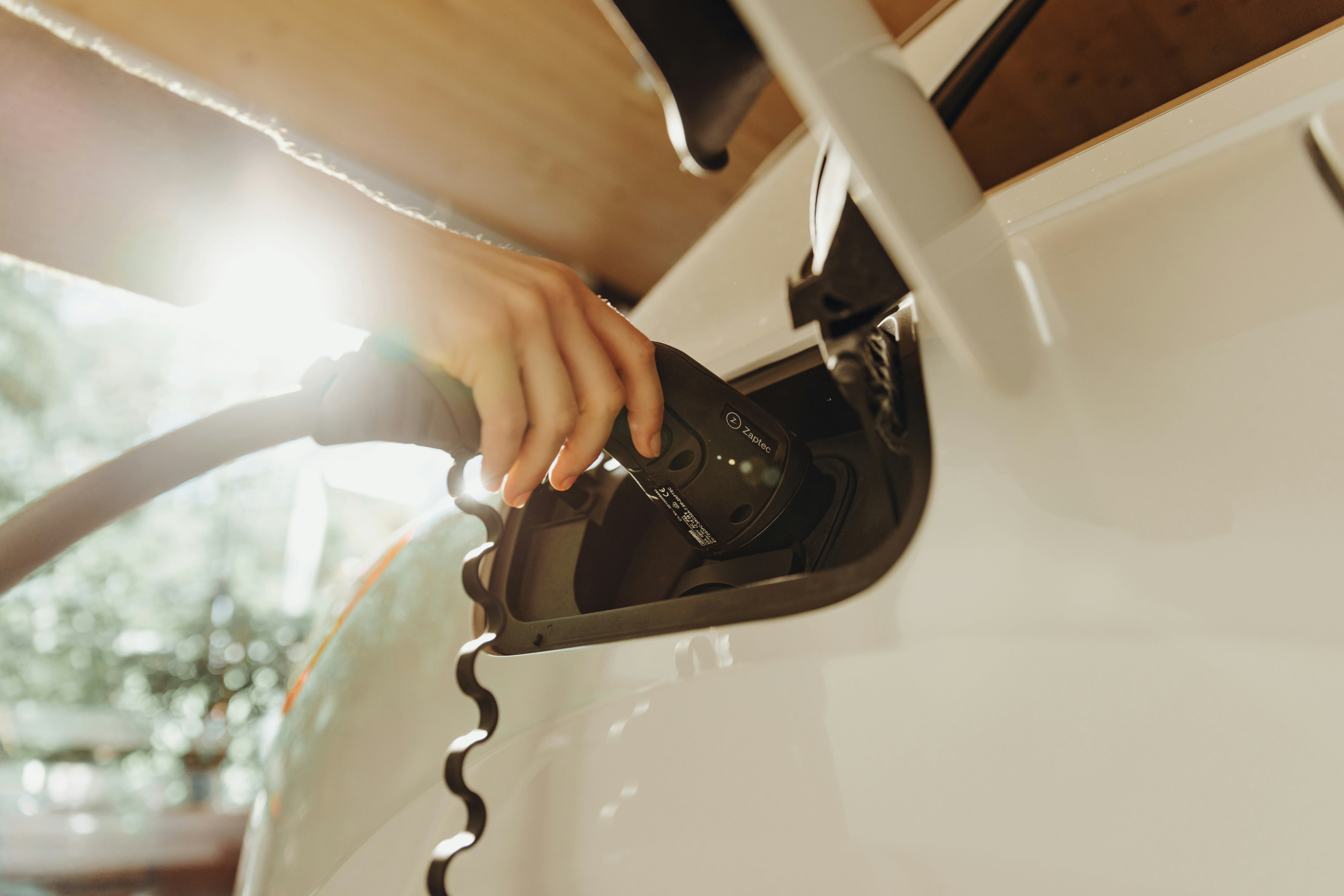
Get ready to plug into the future of mobility! In a groundbreaking move, BYD, Tupi Mobilidade, and EZVolt have joined forces to create Brazil’s largest and most innovative electric vehicle (EV) and hybrid vehicle charging network, boasting approximately 1,500 charging stations nationwide. This partnership is not just a leap forward for sustainable transportation—it’s a game-changer for drivers, businesses, and the planet.
A Unified Platform for Seamless Charging
Imagine a world where finding and paying for an EV charge is as easy as grabbing your morning coffee. Thanks to this trailblazing collaboration, that world is here. The integrated network, accessible through the BYD Recharge app, allows drivers to locate available charging stations in real time, select the best option, and pay seamlessly using familiar payment systems—all from a single platform. No more juggling multiple apps or fumbling with different payment methods. Whether you’re cruising through São Paulo or exploring the highways of the Centro-Oeste, this network ensures a hassle-free charging experience.
The magic behind this integration lies in the Open Charge Point Interface (OCPI) technology, powered by Tupi Mobilidade. By combining EZVolt’s 450+ charging stations with BYD’s existing infrastructure, the partnership has created a robust network spanning urban centers, highways, shopping malls, and more. It’s like having a personal EV charging assistant in your pocket—practical, efficient, and ready to keep you moving.
Brazil’s Renewable Energy Advantage
What makes this initiative even more exciting? Brazil’s energy matrix is a renewable energy powerhouse, with nearly 95% of its electricity sourced from clean sources like hydropower, wind, and solar. This means that every charge from this network is not only convenient but also a step toward a greener future. By leveraging Brazil’s renewable energy leadership, BYD, Tupi Mobilidade, and EZVolt are ensuring that your EV journey is as sustainable as it is seamless. Talk about a win-win!
A Milestone for Electromobility
This partnership marks a historic milestone for Brazil’s automotive industry. As Alexandre Baldy, Vice-President Senior of BYD Brasil, puts it, “We want to make EV charging simpler and more accessible, significantly expanding Brazil’s infrastructure.” Gustavo Tannure, CEO of EZVolt, adds, “Offering our charging stations through BYD Recharge means more drivers can experience the ease of a unified platform.” Meanwhile, Pedro De Conti, CEO of Tupi Mobilidade, emphasizes the bigger picture: “This is about uniting networks, simplifying access, and putting drivers at the heart of the experience. We’re building a future where electric mobility is accessible, efficient, and scalable.”
With sales of electric and hybrid vehicles in Brazil surging by 94% in the first half of 2025 compared to the previous year, this network couldn’t come at a better time. It’s a bold step toward meeting the growing demand for EVs and supporting Brazil’s transition to sustainable mobility.
Why This Matters
This isn’t just about more charging stations—it’s about redefining how we move. The BYD, Tupi Mobilidade, and EZVolt partnership is paving the way for a future where electric vehicles are the norm, not the exception. By making charging convenient, accessible, and powered by renewable energy, they’re removing barriers and inviting more drivers to join the electric revolution. Plus, with Tupi’s track record of enabling over 100 million kilometers of clean-energy driving and avoiding 17,000 tons of CO₂ emissions, this network is a catalyst for real environmental impact.—iMB.Solutions Brazil

Ups & Downs
The rating agency Moody's has raised Argentina's long-term credit rating from Caa3 to Caa1. The reason given is various reforms implemented by the Milei government. Furthermore, the outlook has been downgraded from positive to stable. According to Moody's, the improvement is primarily due to the partial lifting of foreign exchange restrictions. Furthermore, the IMF loan is supporting liquidity in the current year 2025. However, it is mentioned that the IMF loan is largely being used to finance the deficit and that Argentina therefore remains in the highest risk category.
The IMF forecasts growth of 2.3% for Brazil in 2025, following astonishing growth of 3.4% in the previous year. The reduction in 2025 is primarily due to the tense situation regarding public debt of approximately 82% and the reduction in the government's fiscal programs. The IMF forecasts average annual growth of 2.5% for Brazil.
The industrial production index in Brazil stood at 52 points in May 2025. This is a noticeable increase compared to April 2025, when it stood at 47.8 points. The index also improved compared to the same period in 2024. A year ago, the value was 47.7 points. Values above 50 points indicate a positive growth trend for the coming months.
In June 2025, motorcycle production rose by 45% compared to the same month in 2024. In the first half of 2025, 1 million motorcycles were produced in Brazil, representing an increase of 15.3% compared to the first half of 2024.
Brazilian machinery and equipment exports reached US$ 1.05 billion in June 2025, representing a further increase of 6.3% compared to May 2025. Compared to the same month in 2024, growth was 14.5%. Overall, 57% of exporting companies in the industrial sector report an improved business climate. The sectors with the strongest increase in exports are machinery and equipment for logistics and construction machinery.
Sales of new vehicles in Brazil fell by 0.6% compared to June 2024. Compared to May 2025, a decline of 5.7% was recorded. The Brazilian Automobile Industry Association has reduced its growth forecasts for the current year from 5% to 4.4%. In June, 213,000 new vehicles were sold.
In June 2025, the Brazilian consumer confidence index fell by 0.8 points to 85.9 points. This is the first decline after three consecutive months of increases. The FGV cites rising concerns about disposable household income, a sharp increase in private debt, and persistently high interest rates as the main reasons for this decline.
The Brazilian Industry Confidence Index (Icei) reached its lowest level since June 2020 in June 2025. The index fell by a further 1.3 points to 47.3 points. An index above 50 points indicates a positive outlook.
The industrial sector for machinery and equipment recorded a decline of 4% in its home market of Brazil in June 2025. Compared to the same period in 2024, an increase of almost 10% was recorded. A continuing downward trend is forecast for the second half of 2025.

News from iMB.Solutions
Navigating New Horizons: North American Client Growth and Emerging Challenges
Dear Valued Readers,
we're thrilled to share the latest updates on our expanding footprint in the North American market, where our client base has been steadily growing for several years. Our team has been actively engaged in dynamic project missions across the USMCA economic area, including Mexico, the lithium triangle of South America, and Brazil. This momentum reflects our commitment to delivering innovative solutions in the B2B sector, particularly in energy production infrastructure.
In 2025, we’ve deepened our partnerships with U.S.-based companies, fostering exciting collaborations that drive progress and sustainability. However, recent developments have introduced new complexities to the global trade landscape. The proposed 50% tariffs on Brazilian exports to the U.S. have sparked tensions, shifting dynamics into the political-ideological arena. As a result, two promising projects launched just months ago are now on hold, pending clarity on future trade relations between the U.S. and Brazil.
One of these projects, initially designed as an export model from the U.S. to Brazil, is undergoing a strategic review. Our forward-thinking strategic investor is now exploring a bold pivot toward regional production in Brazil. While these challenges test our adaptability, they also open doors to fresh opportunities. By rethinking our approach, we aim to transform uncertainty into a springboard for innovation, ensuring we continue to deliver value to our clients and stakeholders.
Stay tuned as we navigate these changes with optimism and ingenuity. We’re confident that our proactive strategies will turn potential roadblocks into pathways for growth.
Best regards,
iMB.Solutions
Imagine a revolutionary tool that turbocharges your B2B strategy, blending razor-sharp data insights, visionary market foresight, and expert human guidance—all wrapped in ironclad Web3 security. It’s coming to transform how startups, SMEs, and established firms conquer market entry and business model shifts. The countdown is on: something big is launching by the end of August 2025, and it’s poised to redefine your path to success. Stay tuned for a seismic shift in business intelligence—your competitive edge is about to get a whole lot sharper!


Get Out
Unleashing Creativity: Our July 2025 Experimental Photo Walk
Greetings, photography enthusiasts!
In July 2025, we hit the streets for another exhilarating photo walk, and this time, we cranked the creativity dial to eleven! Our mission? To dive headfirst into the wild world of experimental photography, pushing boundaries with unconventional tools and techniques. Think fish-eye lenses that bend reality, tilt-shift lenses that turn cityscapes into miniature wonderlands, and extreme telephoto lenses that capture the soul of the streets from afar. We tossed in some avant-garde photographic methods and quirky camera settings to keep things delightfully unpredictable.
The focus was clear: maximize individual creativity while exploring the vibrant genres of street photography and cityscapes. The results? Nothing short of jaw-dropping! Our talented community of shutterbugs produced images that were bold, innovative, and downright stunning.
One standout shot, captured with the Chinese TTArtisan 35mm f1.4 tilt lens, perfectly encapsulates the experimental spirit of the day. Stay tuned, because next month, we’ll be showcasing a curated gallery of these extraordinary works that’ll leave you inspired and itching to grab your camera.
Keep experimenting, keep creating, and we’ll see you at the next photo walk!
Happy snapping,
The Photo Walk Team iMB.Solutions

Contact

🚀 Fast Impact, No Strings Attached: Why iMB.Solutions Is Your Next Strategic Move

Unlock Immediate Impact with iMB.Solutions
📍 When timing, precision, and execution matter most—our manager on-demand (interim and project management for business development, reorganization and business model transformation for international project missions) step in with zero ramp-up, 100% focus, and full accountability.
Why Work With Us?
✅ Immediate Availability – We’re ready when you are
✅ Quick Start-Up – Projects kick off in days, not weeks
✅ Focused Execution – Sharp minds. No distractions.
✅ Goal-Oriented Delivery – We solve, not circle
✅ Updated Expertise – Managers with up-to-date skills and vision
✅ Cost Clarity – Transparent pricing, no hidden costs
✅ Efficient Reporting – Milestone-driven, results-focused
✅ No Termination Costs – No severance, no HR entanglements
Our Collaboration Process
🔹 Step 1: Compatibility Meeting
Meet with your potential manager on-demand—on your premises if possible—to test cultural fit, skills, and creativity. You discuss your situation, simulate potential solutions, and assess alignment.
🔹 Step 2: Strategic Snapshot
Want more certainty? We offer an in-depth diagnostic using our proprietary tools (business development, commercial, reorganization + plant operations). In 3–7 days, we deliver a feasibility study and actionable report—fast, focused, and fixed-fee.
🔹 Step 3: Let’s Execute
If it’s a match, we define the mission scope, set milestones, agree on reporting and confidentiality terms, and negotiate a fair, value-based compensation. It’s your roadmap to results.
What You Get:
🎯 Rapid onboarding
🎯 Zero HR complexity
🎯 Precision-driven delivery
📩 Ready for a high-impact partnership?
Let’s start the conversation. Your challenge deserves more than consultants—it deserves hands-on leadership.
👉 Contact Us
independent management on-demand | interim management | business development | reorganization | transformation | LatAm | Brazil | Mexico/USMCA
| stay safe on your project trail |
Discover What Matters Most to You—Backed by 140+ Project Missions!
Curious about the impact of our insights at iMB.Solutions? We put our articles, blogs, and case studies to the test—running three independent AI-driven queries with Perplexity, Google Gemini, and Mistral. The result? A powerful keyword cloud reflecting the topics that truly resonate.
Do you see yourself in these trends? Let’s connect and explore how our expertise—shaped by 140+ project missions over two decades—can drive your success.