São Paulo/Brazil - December 2, 2025
Dear subscriber, imagine this: You’re strolling down São Paulo’s iconic Avenida Paulista, the pulse of Brazil’s bustling metropolis thrumming around you.
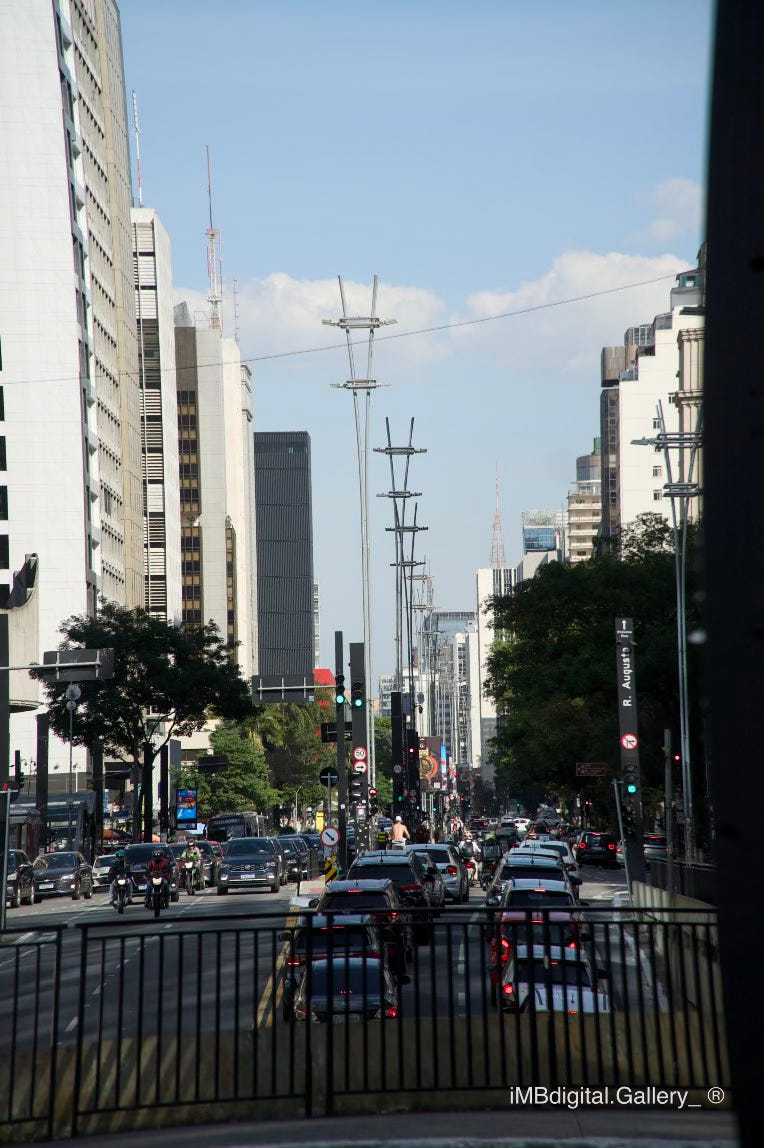
Amid the skyscrapers and street performers, you step into the Instituto Moreira Salles (IMS), a cultural oasis that feels like a portal to another era.
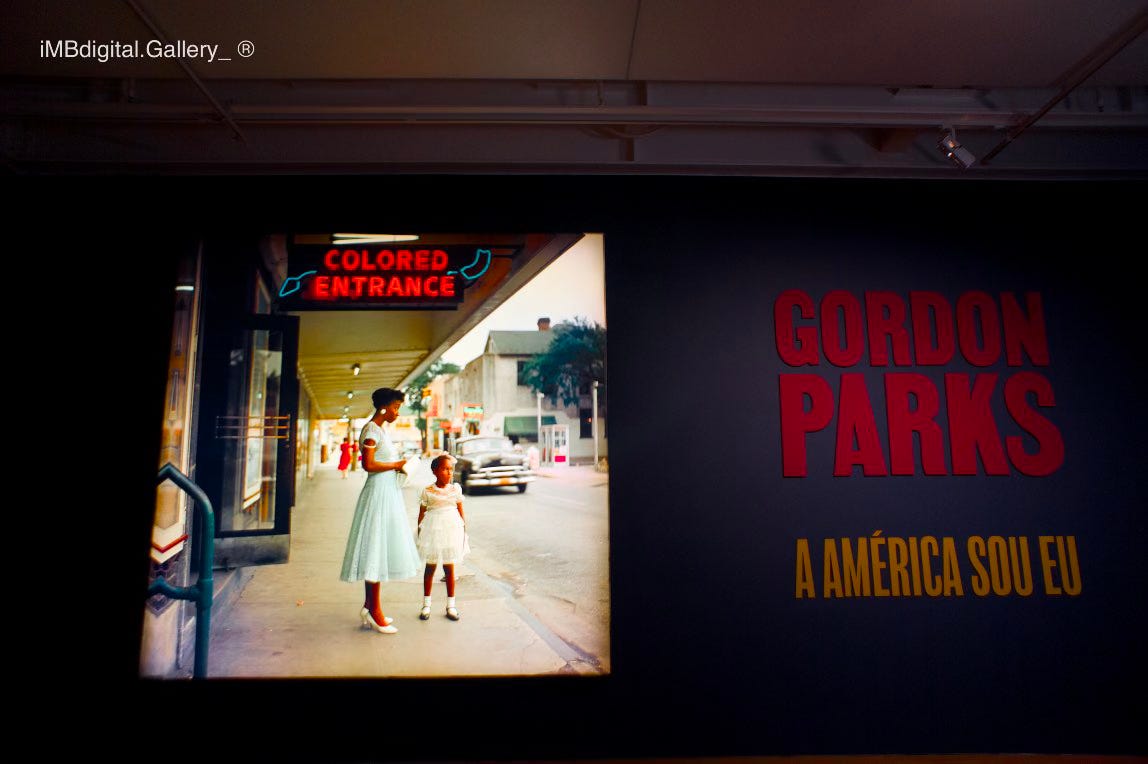
Right now, until March 1, 2026, this space is alive with the piercing gaze of Gordon Parks – a man whose camera didn’t just capture moments; it ignited revolutions. The exhibition Gordon Parks – A América Sou Eu isn’t merely a showcase of photographs; it’s a clarion call to remember, reflect, and rise.
With over 200 works spanning the 1940s to the 1970s – think raw black-and-white prints, flickering films, dog-eared magazines, and leather-bound books – it lays bare the unvarnished story of Black America. From the thunder of social movements to the quiet poetry of everyday resilience, Parks’ lens invites you to see not just history, but humanity. If you’re anywhere near São Paulo, drop everything and go.
This isn’t passive viewing; it’s an active dialogue with the past that equips you to shape the future.
As someone who’s always championed stories that spark change, we can’t overstate how vital this exhibition feels in 2025. In a world still grappling with inequality, Parks’ work reminds us that art isn’t a luxury – it’s a lifeline. Curated by Janaina Damaceno (with assistance from Iliriana Rodrigues and Maria Luiza Meneses), this retrospective is a triumphant partnership between IMS and The Gordon Parks Foundation, the guardians of his vast archive.
Highlights? Oh, where to begin.
Feast your eyes on intimate portraits of titans like Malcolm X, his eyes burning with unyielding fire; Martin Luther King Jr., a beacon of moral clarity amid chaos; and Muhammad Ali, that electric blend of grace and defiance. These aren’t stiff formalities; they’re windows into souls that reshaped nations. Delve deeper into series on childhood’s tender vulnerabilities or the sacred rhythms of African American religious life – everyday scenes that whisper, “This is us, unbroken.” Films roll silently in dedicated rooms, periodicals crackle with era-defining headlines, and books invite you to linger. It’s immersive, innovative, and yes, a tad overwhelming in the best way – like binge-watching a documentary that demands you pause and ponder.
Our opinion? This isn’t just an exhibit; it’s a masterclass in empathy, proving that one person’s vision can humanize millions.
The Man Behind the Myth: Gordon Parks’ Extraordinary Journey
Now, let’s pull up a chair – or better yet, imagine us chatting over coffee in a dimly lit jazz club, the kind Parks might have frequented.
Who was this polymath who turned poverty’s shadows into spotlights of hope?
Born November 30, 1912, in Fort Scott, Kansas – a segregated speck on the map where Jim Crow’s grip was ironclad – Gordon Parks entered a world that tried to dim his light from the start. The youngest of 15 children in a dirt-poor family, he lost his mother at 16 and bounced through odd jobs: dining car porter on trains, piano player in brothels, even basketball player for a semi-pro team. Life was a grind, but here’s where the magic sparks: In 1937, at 25, Parks stumbled upon a fashion magazine in a St. Paul, Minnesota, train station. The glamorous images clashed with his reality, igniting a fire. He scraped together US$ 12.50 for a used Voigtländer Brilliant camera from a pawnshop and taught himself the craft – no fancy classes, just raw determination and that unquenchable curiosity.
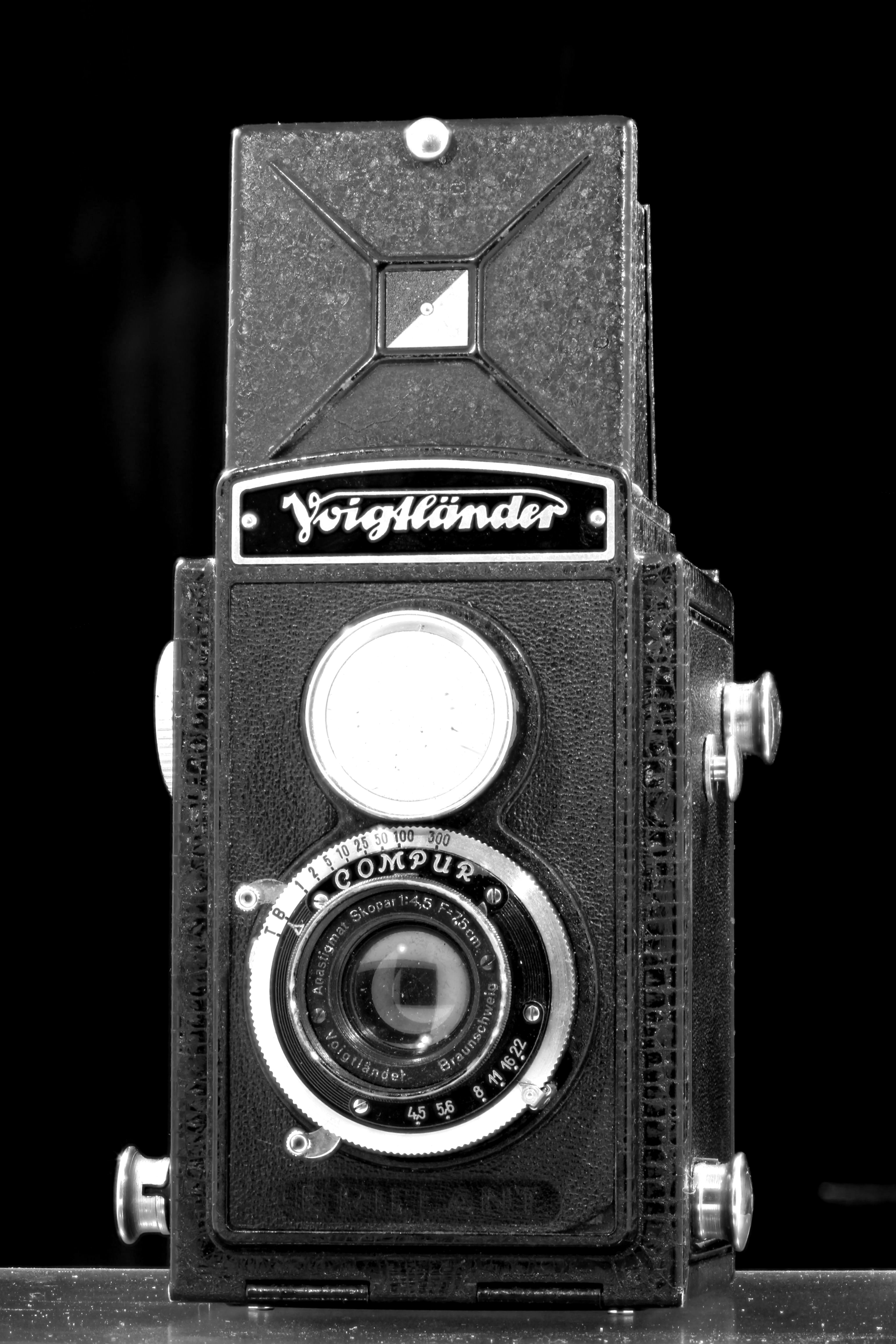
By 1942, his talent had propelled him to Washington, D.C., as the first Black photographer for the Farm Security Administration (FSA) and later the Office of War Information (OWI). There, amid World War II’s upheavals, Parks documented the unseen:
Black sharecroppers in the South, migrant workers’ grit, the quiet dignity of the marginalized.
His breakthrough? The iconic American Gothic (1942), a searing portrait of Ella Watson, a cleaning woman posed with a mop and broom echoing Grant Wood’s famous painting – but twisted to expose racism’s cruel irony.
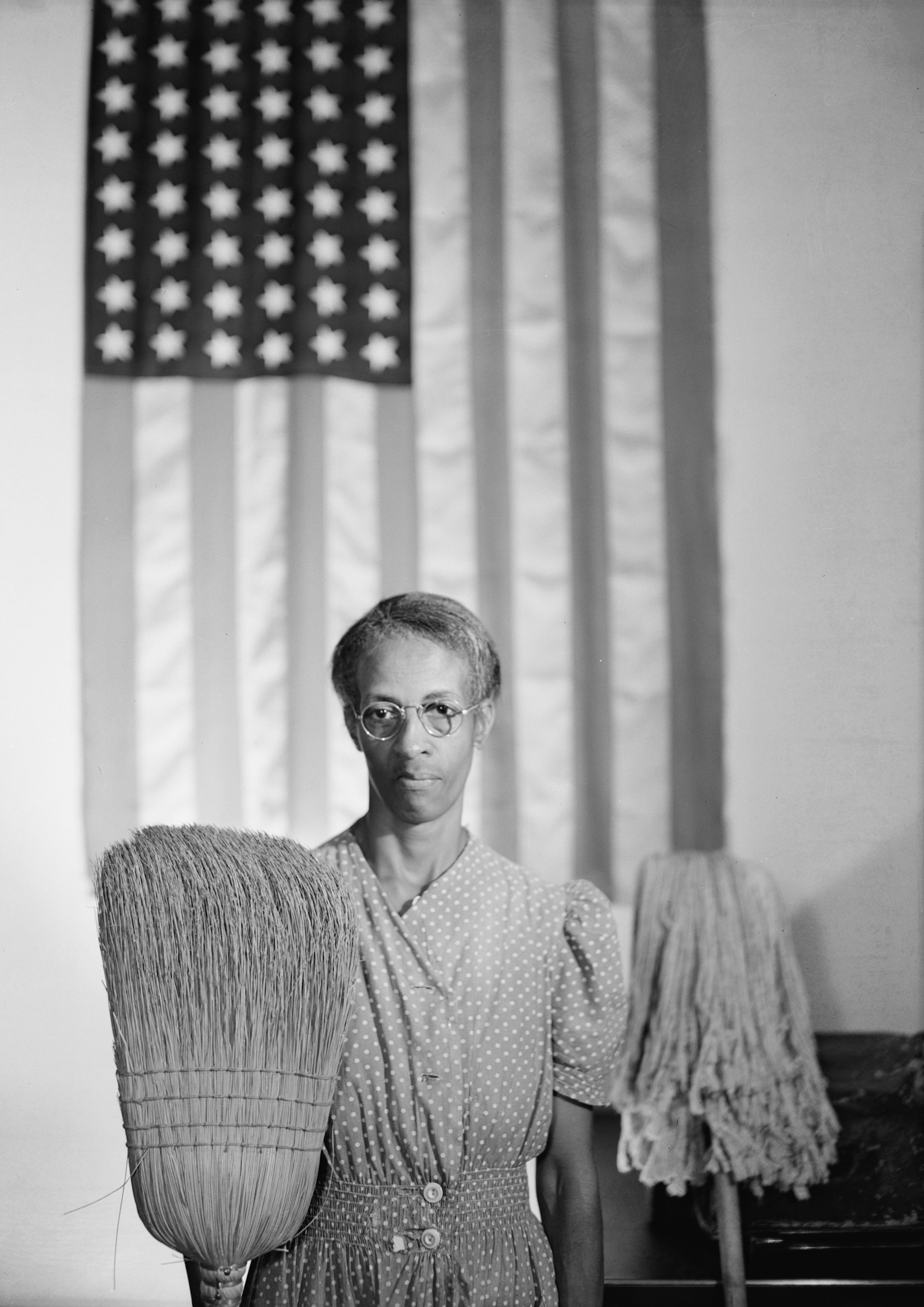
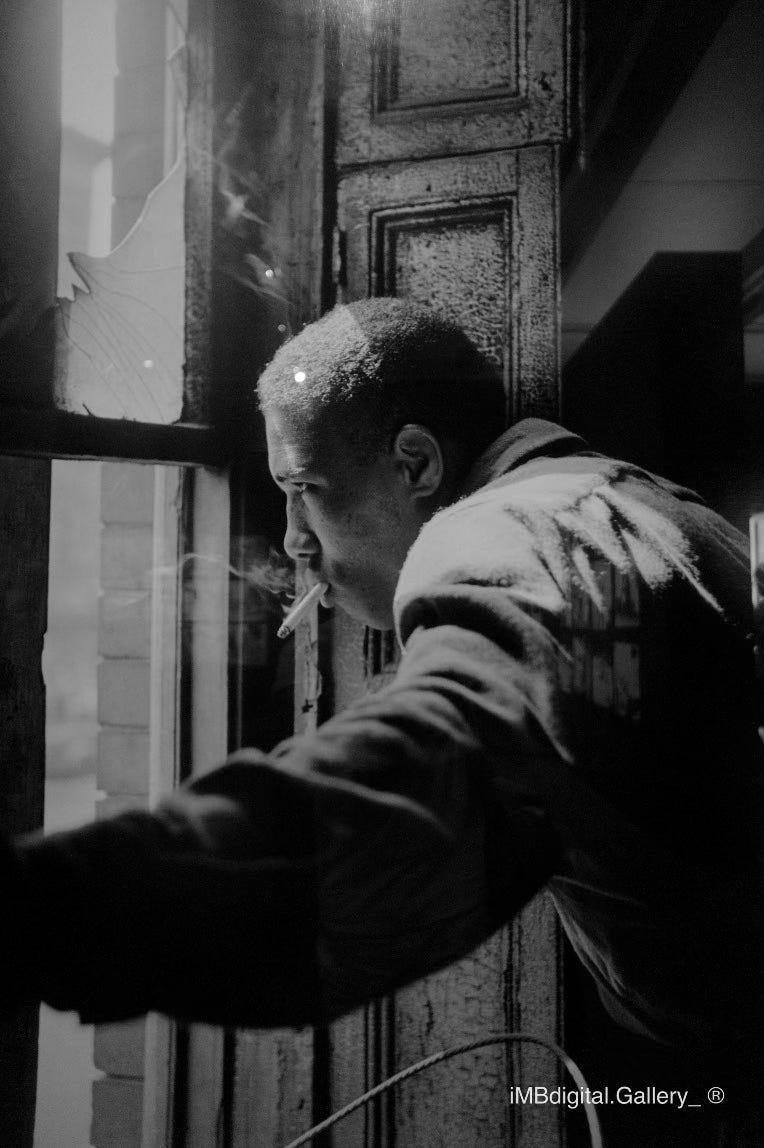
Freelancing for Glamour and Ebony followed, but 1948 marked his ascent: A photo essay on a young Harlem gang leader for Ebony caught Life magazine’s eye, landing him as their first Black staff photographer. For 20 years, he crisscrossed America, his Rollei 35mm capturing poverty’s bite (The Cycle of Despair, 1968), Black Panther rallies, and the raw poetry of urban life. Books poured from his pen – memoirs like A Choice of Weapons (1966), novels, poetry collections – each a testament to his belief that words could wound and heal.
Parks wasn’t content with stills; he chased motion. In 1969, he shattered ceilings again as the first Black director of a major Hollywood feature: The Learning Tree, adapted from his semi-autobiographical novel about a Kansas boy’s coming-of-age amid racism. But we’ll circle back to his cinematic triumphs later.
Awards? Over 50 honorary doctorates, the National Medal of Arts in 1988, and a legacy etched in institutions from the Smithsonian to his namesake museum in Fort Scott. He worked until his death on March 7, 2006, at 93, leaving an archive that’s a goldmine of American soul.
In our view, Parks embodies the ultimate self-made innovator – proof that barriers bend when you wield talent like a weapon. As he once quipped, “The camera is my weapon of choice.” And what a arsenal it was.
A Camera as Catalyst: Parks’ Pivotal Role in the Civil Rights Saga
Let’s get real for a moment – because if we’re talkative and dialogue-oriented, we want to ask you: Have you ever held a tool that felt like it could topple empires? For Gordon Parks, that was his camera during the civil rights maelstrom of the 1950s–1970s.
He wasn’t a bystander; he was a battlefield chronicler, his images rallying hearts and hastening change.
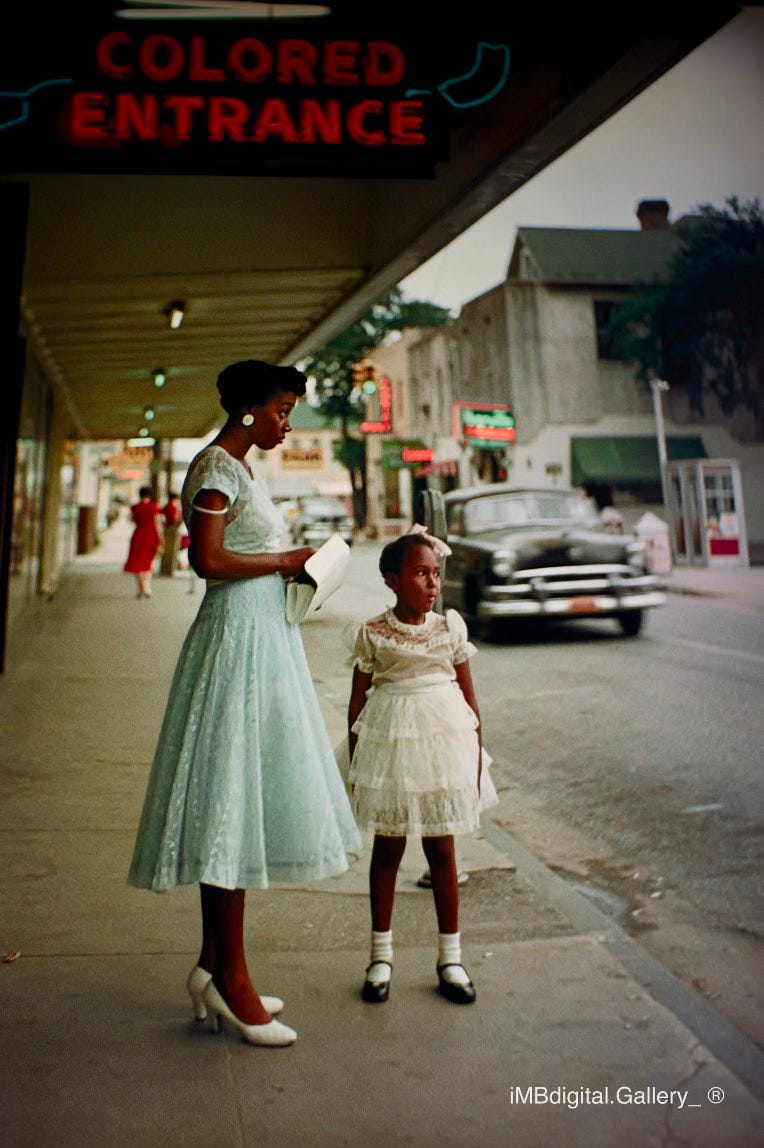
Parks arrived at Life in 1949, just as Brown v. Board of Education loomed, and his lens became a megaphone for the voiceless. His 1950s essays on Southern segregation – think children barred from “whites-only” schools, families eking out lives under lynch law’s shadow – didn’t just inform; they inflamed. Segregation Story (1956), for instance, laid bare the absurdity and agony of Jim Crow, from water fountains labeled by race to Black professionals navigating white disdain.
By the 1960s, Parks was embedded in the movement’s epicenter. His portraits of Malcolm X (1963) capture the Nation of Islam leader’s magnetic intensity, eyes locked like a challenge to the status quo. Martin Luther King Jr. emerges in tender candor, a man of dreams grounded in sweat. And Muhammad Ali? Parks’ shots from the 1960s freeze the champ’s bravado mid-punch, symbolizing Black pride’s unapologetic roar. He covered the 1963 March on Washington, Stokely Carmichael’s fiery speeches, and Adam Clayton Powell Jr.’s congressional defiance. These weren’t detached journalism; they were advocacy in emulsion. Parks himself marched, spoke out, and used his platform to dismantle stereotypes – showing Black America not as victims, but as vibrant, complex forces.
His significance? Monumental. In an era when media often caricatured Black lives, Parks humanized them, fostering empathy that fueled policy shifts like the Civil Rights Act of 1964. He bridged worlds: A Black man thriving in white-dominated fields, proving excellence could erode prejudice.
Opinion time: Parks didn’t just document civil rights; he co-authored it. His work prefigured today’s fights – think police reform or voting rights – reminding us that progress is fragile, won inch by unflinching inch. As a solution-oriented soul, We’d say: Study Parks, and you’ll find blueprints for activism today. His photos aren’t relics; they’re rallying cries.
From Harlem Streets to Hollywood Screens: The Blaxploitation Brilliance of Shaft
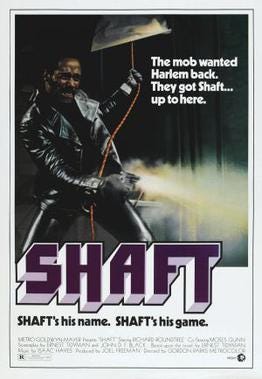
Ah, but Parks was no one-trick pony – he pivoted to film with the flair of a jazz soloist improvising mid-set. If photography was his scalpel, cinema was his symphony, dissecting society’s underbelly with narrative punch. His oeuvre spans documentaries like the poignant Flávio (1964), a heartbreaking glimpse into a Rio favela boy’s life that sparked global aid, to the introspective Moments Without Proper Names (1987), a self-portrait weaving decades of images into a tapestry of triumph. Yet, nothing captures his boundary-smashing verve like the Shaft films – the crown jewels of blaxploitation, that bold 1970s genre where Black heroes strutted into the spotlight.
Picture this: 1971, post-civil rights but pre-full equality. Hollywood’s action flicks starred square-jawed white saviors; Black characters? Sidekicks or stereotypes. Enter Shaft, directed, produced, and vibe-curated by Parks. Based on Ernest Tidyman’s novel, it thrusts John Shaft (Richard Roundtree, in a star-making turn) – a leather-clad, Mustang-driving private eye – into Harlem’s underworld. Hired by mob boss Moses Gunn to rescue a kidnapped daughter from Italian gangsters, Shaft dodges bullets, beds beauties, and quips like a poet with a grudge. Isaac Hayes’ Oscar-winning funk score pulses like a heartbeat:
“Who’s the black private dick that’s a sex machine to all the chicks? Shaft!”
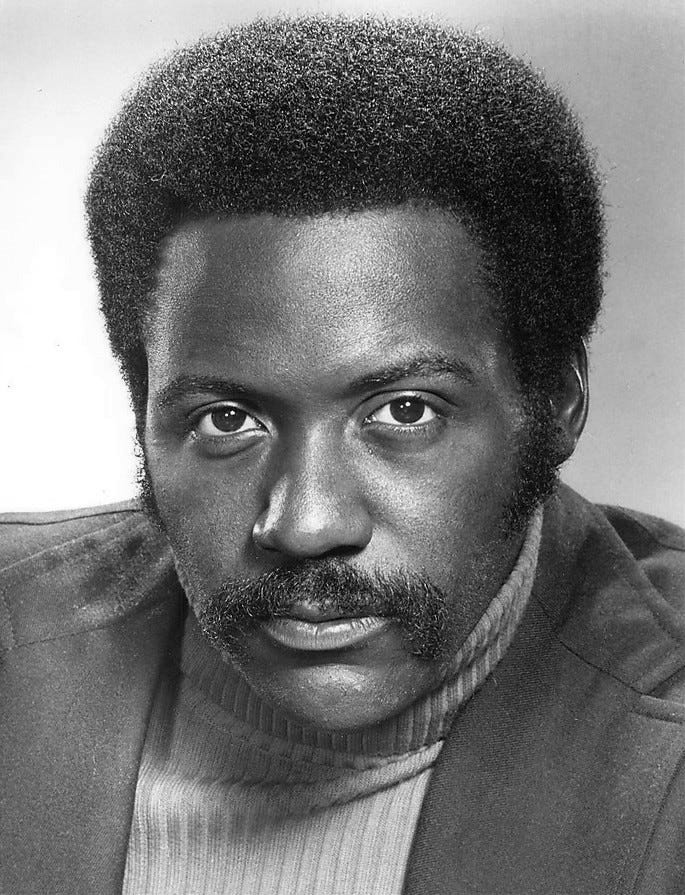
Box office? A smash – $12 million on a shoestring budget, launching a franchise and the blaxploitation wave.
Parks’ vision? Pure empowerment. “I wanted a fun film for Black audiences,” he said, crafting a hero who owned the streets without apology – a far cry from Hollywood’s minstrelsy.
Humor creeps in: Shaft’s mustache (Parks’ insistence, studio be damned) became iconic, a sly nod to unbowed swagger. Critics raved for its style – Roger Ebert called the sequel “improved” with Panavision flair – but some decried stereotypes. We? We see genius:
Shaft flipped the script, grossing big by centering Black cool, influencing everything from Pulp Fiction to modern Marvel heroes.
The sequel, Shaft’s Big Score! (1972), amps the action: Shaft avenges a friend’s murder in a mob inferno, with Parks composing the score’s groovy anthems. Bigger budget, slicker effects, but the soul? Intact – a meditation on urban crime’s racial roots. A third film, Shaft in Africa (1973), ditched Parks, but remakes (2000, 2019) nod to his spark.
Culturally? These films democratized heroism, boosting Black cinema’s viability and echoing civil rights’ demand for dignity. In Parks’ hands, blaxploitation wasn’t exploitation; it was exaltation – a solution to invisibility, proving Black stories could pack theaters and punch prejudices.
Your Next Move: Step Into the Light
Friends, as we wrap this dispatch, let’s turn inspiration into action. Gordon Parks – A América Sou Eu at IMS Paulista isn’t a distant event; it’s your invitation to engage. Wander those galleries, let Malcolm’s gaze challenge you, hum Hayes’ bassline in your mind, and emerge motivated. Parks taught us: Art solves by illuminating. In a divided 2025, his legacy urges us to photograph our own truths – to see, speak, and strive. Who’s with us? Head to Avenida Paulista 2424 today. The revolution awaits, one frame at a time.
Until next time, keep clicking that shutter of change.
Online expogordonparks.ims.com.br | #ExpoIMSGordonParks
Press +55 11 3371-4455 | comunicacao@ims.com.br
Entry is free, open Tuesday through Sunday from 10 a.m. to 8 p.m. (last entry at 7:30 p.m.), and suitable for all ages – because who says profound truths can’t start young?


Thanks for reading CyberSynth Circular by iMBdigital.Gallery! This post is public so feel free to share it.
Share CyberSynth Circular by iMBdigital.Gallery

Available for iOS and Android
Start writing today. Use the button below to create a Substack of your own

visit iMBdigital.Gallery webpage
WE
We’re an agile team of independent consulting and project experts based in São Paulo, Brazil, specializing in cutting-edge technologies like blockchain 2.0, smart contracts, and generative AI. Our diverse team includes forward-thinking specialists in blockchain development, smart contract architecture, dApp design, and GenAI algorithms for OT. Committed to innovation, we thrive in São Paulo’s vibrant tech and entrepreneurial ecosystem. What sets us apart is our passion for applying emerging tech to solve complex challenges and drive meaningful change. Whether it’s decentralized solutions, smart contract optimization, or creative use of generative AI, we approach each project with creativity and expertise. Collaboration is central to our ethos—we blend diverse skills to deliver tailored solutions that exceed expectations. Seeking innovative solutions at the intersection of blockchain, smart contracts, and generative AI? Let’s connect and shape the future together, one project at a time. We are the tech arm of iMB.Solutions if it comes to digitization, generative AI and smart contract project missions.