
Since Q3 2025, we’ve been supporting both existing and new clients in adapting their Brazilian operations to the new free trade agreement — focusing on organizational changes and business model realignment.
Half of these clients are newcomers aiming to establish a presence in Mercosur, spanning automotive, data centers, logistics, healthcare, and agriculture.
We’ll wrap up this special (May and June 2026) with a look at the lesser-known ARTI Agreement between Argentina and the US, designed to counter the EU-Mercosur deal. By mid-June 2026, we’ll assess its real impact — or whether it’s just political hot air to secure US capital and prevent an Argentine default.
The EU-Mercosur Trade Agreement, signed in January 2026 in Asunción, establishes one of the world’s largest free trade zones, encompassing 700 million people and approximately 25% of global GDP. Experts at iMB.Solutions define the pact as a “Modernization Mandate” rather than a simple tariff reduction. Strategically, the deal serves as a geopolitical shield for South American industry against US protectionism and Chinese industrial subsidies.
Key implementation milestones include the Interim Trade Agreement (iTA) for immediate trade provision deployment and the European Court of Justice’s review of the “splitting” mechanism. For businesses, the agreement promises €4 billion in annual duty savings and critical access to strategic minerals (Lithium, Niobium). Success in this new corridor requires navigating internal reforms, specifically Brazil’s 2026 VAT Tax Reform (CBS/IBS) and Argentina’s RIGI framework, while prioritizing ESG compliance and “friend-shoring” supply chain strategies.
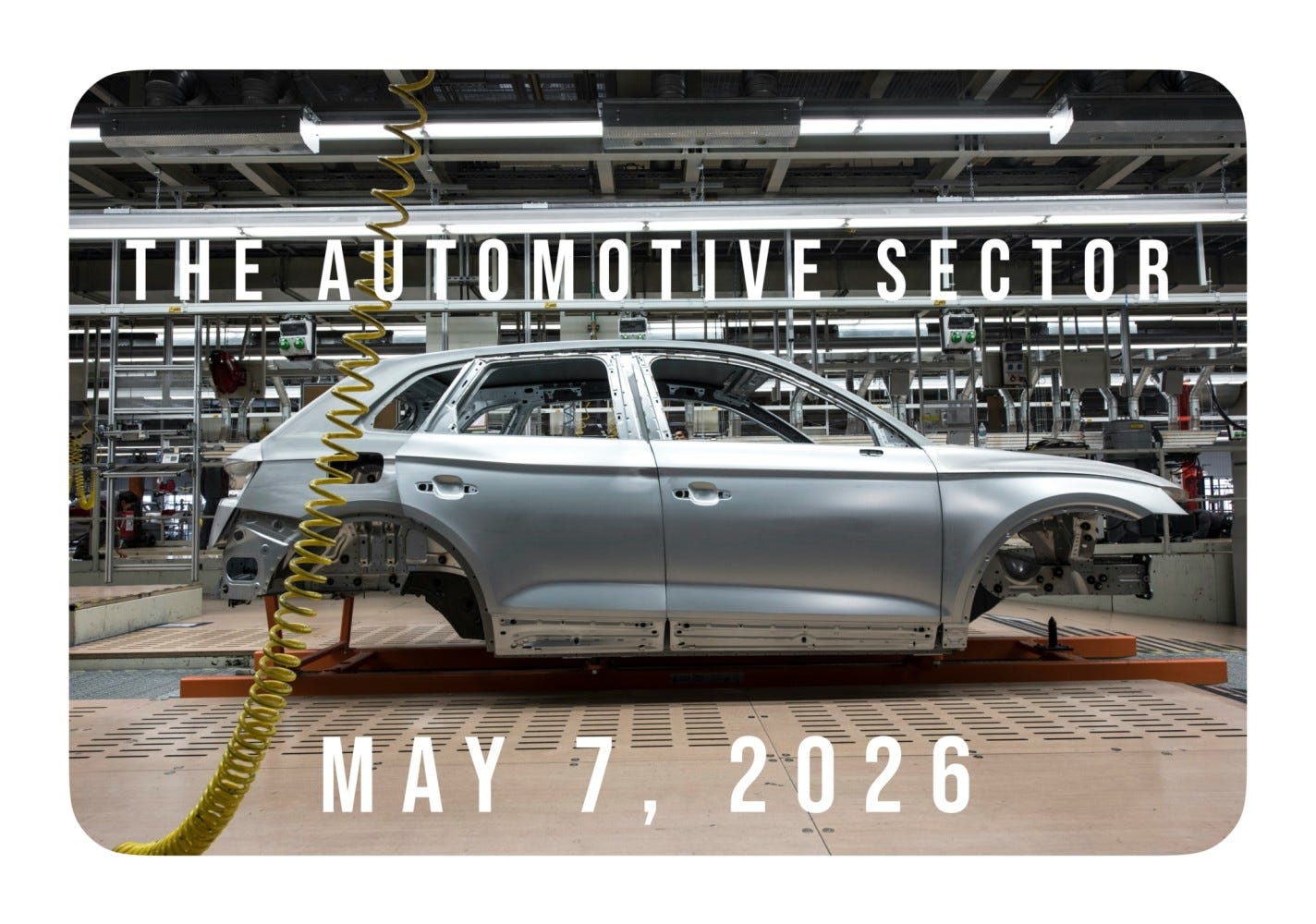
The EU-Mercosur FTA and the Brazilian Automotive Pivot
The signing of the EU-Mercosur Free Trade Agreement on January 17, 2026, in Asunción marks a definitive end to the “Brazilian fortress” protected by a 35% import tax. This agreement mandates a radical realignment for the automotive sector, transitioning from isolated protectionism to integrated global competition.
Key Strategic Impacts & Timelines
The deal introduces a phased dismantling of trade barriers, forcing local manufacturers to either innovate or shift toward import-only models.
Tariff Phase-Out: Combustion-engine vehicle tariffs will drop to zero over 15 years, while Electric Vehicles (EVs) have an 18-year transition period.
The “Abandonment Threshold”: Experts predict that by 2029–2030, when tariffs hit the 15% to 18% range, the cost of local assembly in Brazil may exceed the cost of importing from high-scale European “Mega-factories”.
Rules of Origin (RoO): To qualify for 0% tariffs, vehicles must meet a 55% value threshold from FTA partners, necessitating the “Europeanization” of high-tech components like battery modules and drivetrains.
Geopolitical & Competitive Risks
The ARTI Variable: The February 2026 ARTI agreement between the U.S. and Argentina gives American suppliers a “head start” in Argentina, complicating the landscape for European firms.
Chinese Triangulation: Brands like BYD are utilizing production hubs in Hungary to export “European-made” cars to Brazil at preferential rates, bypassing traditional tariffs on Chinese goods.
Safeguard Clause: A “break glass” provision allows for a five-year suspension of trade benefits if domestic production suffers catastrophic damage (e.g., a 5% output drop).
Special Edition 👇🏽
Stay tuned for the next EU-Mercosur Free Trade Agreement updates!